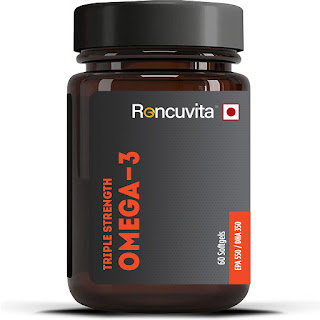
Showing posts with label Omega 3. Show all posts

Thursday, 2 December 2021

What is the Best Time to Take Your Omega 3 Fish Oil Supplement?

The omega-3 fatty acids found in fish oil supplements are believed to be necessary for our brain function and healthy immune system. Some studies even suggest that taking a daily omega-3 supplement can help lower the risk of heart disease, arthritis, depression, and cancer. However, a recent study found that people who consumed large amounts of fish oil supplements increased their risk for bleeding. In this study, researchers gave more than 3,000 men and women supplements that contained either 800 milligrams (mg) of fish oil or a placebo.


Why Take Omega 3 Fish Oil Supplements?

Omega 3 has been shown to have a number of benefits. They have been found to have a positive effect on brain function, decrease heart disease risk, may help control blood sugar levels, and more. Take 2 soft gels a day of a good quality fish oil supplement. Omega 3 fish oil supplements are a great way to get omega 3 into your system. This can fight the signs of aging and promote overall good health.

What are the Benefits of Omega 3 Fish Oil Supplements?

Omegas 3 are an essential fatty acid. They are commonly found in oily fish such as salmon, tuna, and anchovies. They also come from plant sources like chia seeds and flaxseeds. These omega 3 are important for brain health, heart health, and bone strength! If you want to learn more about the benefits of omega 3. Check out this page from our friends at the National Center for Complementary and Integrative Health.

Omega 3 fish oil supplements are also important for women’s health during pregnancy. The DHA in fish oil is important for a woman’s brain development and for the functioning of the baby’s brain. Mothers who have low levels of DHA during pregnancy are more likely to have problems in their baby’s brain development. Other studies have also shown that low DHA during pregnancy is linked to premature births or low birth weight in babies.

When to Take Your Omega 3 Fish Oil Supplements

There is no exact time to take your omega 3 supplements, but most people take them before meals three times a day. Omega 3 supplements should be taken alongside your meals, especially when you do not get enough omega 3 from your diet.

Fish oils are a good source of EPA and DHA fatty acids. DHA (docosahexaenoic acid) is especially important for development in the first years of life. DHA always comes from fish oils, and it is especially important for baby brain development. DHA also promotes clear skin, healthy hair and nails, energy levels and growth. Because DHA is so important for the health of your baby's brain, it is especially important to get adequate amounts from your diet, rather than taking a fish oil supplement.

Unfortunately, many people do not get enough omega 3 from their diet and must take a fish oil supplement. There are many factors to consider when choosing a fish oil supplement. Some things to look for when choosing a fish oil supplement are: the fish oil source (wild-caught, farm-raised or a blend), the presence of ethoxyquin and PCB s, the presence of heavy metals (mercury and lead) and the purity of the oil. Even with these factors in mind, it is important to still be careful and make sure that you are getting the most beneficial omega 3 fatty acids from your fish oil supplement.

What is The Right Dosage for Omega 3 Fish Oil Supplements?

There are many different schools of thought when it comes to the best time to take your omega 3 fish oil supplement. Some advocate for taking them in the morning upon waking up, while others believe that it is better to take them before eating a meal. Taking them in the evening is also a possibility, but this is not recommended if you have an active lifestyle due to how it will affect your sleep cycle.

Tips for Taking Your Omega 3 Fish Oil Supplement

Fish oil contains Omega 3 fatty acids which are vital for maintaining a healthy balance of Omega 6 and Omega 3 fatty acids in the body. Taking fish oil supplements can help with dry skin, joint pain, heart disease, cognitive problems, arthritis, cancer prevention and more. There are many benefits of taking fish oil supplements but there are also some drawbacks to consider before you start. One is that it can cause digestive discomfort for those who take them on an empty stomach or who have sensitive stomachs. To avoid this problem, it's best to take your EPA+DHA supplement with food as this will make it easier on your stomach.

Conclusion

It is never too late to start taking your fish oil supplement. The benefits of omega-3s are most pronounced when the body has a sufficient supply of them. If you're pregnant, breastfeeding, or have a chronic disease such as heart disease, high blood pressure, depression, diabetes, or autoimmune disorder it is recommended that you take omega-3 supplements.

Monday, 29 November 2021

Omega 3 for Heart Health- Benefits of Omega 3

Omega 3 is a type of fat found in most animal foods, but not all types of plant foods. Our bodies need this type of fats to ensure proper functioning. The benefits of Omega 3 are many, including the promotion of heart health and brain function. Luckily for us, Omega 3 can be consumed in supplement form which is easy to incorporate into your daily routine!

Omega-3s are polyunsaturated fats, which mean they are very fatty. These fats are found in whole foods like fatty fish, nuts and seeds. Omega-3s are vital for proper brain function, heart health and immune system functioning. Omegas 3 in fish are especially important because they are so much easier to incorporate into your diet. While you can find Omega 3 in plant foods, these sources are not nearly as abundant. An Omega 3 fish oil supplement is made from fish oil, which is oil extracted from the liver of fish.

omega 3


What is Omega 3?

Omega 3 is a fatty acid that is found in fish oils. It has been purported to have positive effects on heart health. However, researchers are still unsure of the benefits and whether or not it is likely to reduce the risk of heart disease or lower blood pressure. There is not sufficient evidence to support that omega 3 fatty acids reduced the risk of heart or blood pressure disease. Some studies have suggested that omega 3 fatty acids may help reduce inflammation, but at this point the available evidence is inconclusive. Omega 3 may be good for you, however the evidence to support its effectiveness is insufficient. If you do choose to take an omega 3 supplement, discuss dosage with your doctor first — there is no standard amount that should be taken.

Heart Health Benefits of Omega 3

Omega 3 is a type of polyunsaturated fatty acids that helps the body’s metabolism and mood. Omega 3 can help to reduce heart disease by lowering bad cholesterol and increasing good cholesterol in the blood. It supports healthy joints and muscles because it synthesizes antioxidants and reduces inflammation in your body. Omega 3 is also an important nutrient for healthy eyes, skin, and hair. It is vital for the brain and nervous system.

The most important way to get your daily dose of omega-3s in a balanced diet is to eat fish or fish oil. And most Americans already do. One recent study found that 76% of Americans eat fish, and 73% eat fish at least once a week. The researchers found that omega-3 intake varies widely from one person to the next, depending on lifestyle, diet and even luck. An omega-3 deficiency can develop due to diet or lifestyle changes, so most people need more than just fish oil supplements.

How to Find and Buy Omega 3 Supplements

Omega 3 is one of the most beneficial supplements for heart health. They are essential fatty acids that the body needs to create cellular membranes, which protect them from damage. Omega 3 also has powerful antioxidant properties, which helps reduce inflammation in the body. Omega 3 capsules may be found in algal oil and flax (linseed) oil and other forms of plant-based omega 3. These are good sources but they can be expensive, so you may find it beneficial to find out where else you can get omega 3 supplements. The best

Nutrition Tips for Omega 3 Supplements

The Omega 3 supplements are essential for good health. They keep your heart healthy and improve your memory. They have been found to be effective in treatment of the following conditions: Alzheimer disease, autism, asthma, Attention Deficit Hyperactivity Disorder (ADHD), carpal tunnel syndrome, chronic fatigue syndrome (CFS), Crohn’s disease, depression, eczema, fibromyalgia, heart failure (including chronic heart failure), high cholesterol, hypertension , irritable bowel syndrome (IBS), joint pain, lupus, Multiple Sclerosis (MS) and rheumatoid arthritis.

Summary of the Effects of Omega 3 on Heart Health

Omega 3 is a type of polyunsaturated fatty acid. It is found in an oily, dark-green liquid extract from seafood, plants, farm animals, and algae. Omega 3 fatty acids are essential for the proper function of many organs. One main benefit is that Omega 3 can help prevent cardiovascular disease by lowering levels of cholesterol and triglycerides in the blood.


Friday, 19 November 2021

What Does Omega-3 6 and 9 Do For The Skin?

Omega-3 is a type of polyunsaturated fatty acid, which has been found to be essential for health and well-being. A lot of research has gone into omega-3 6 and 9, which are substances that can help reduce inflammation in the skin. This article will discuss the benefits of taking these supplements which include reducing wrinkles, improving acne, preventing dryness, promoting healthy hair growth, and more!

Skin is one of the most absorbent organs in the body, so it is important to moisturize your skin properly with quality ingredients. The skin is an organ that requires constant care, not only because it is prone to aging, but also because as we age, the skin tends to lose its ability to hydrate.

omega 3


The importance of omega-3 in the skin

More and more people are taking care of their skin by using the natural ingredients found in foods. There is a lot of talk about the benefits of omega-3 oils in the skin. Omega-3-6-9 is two forms of omega-3 that work to keep the skin healthy. What does the skin need from the diet?

The skin is a very important organ in the body. With an oily skin, it is important to get more of the natural oils than if it were dry. The diet needs to supply more of these natural oils so the skin can be healthy. Omega-3 oils that are good for the skin come from fish and nuts. The diet needs to supply omega-3 fatty acids such as DHA and EPA. DHA is one of the most important omega-3 fatty acids that is found in fish. It helps with skin health if it is ingested. Along with this, a diet that supplies the skin with omega-3 fatty acids will help to keep the skin healthy and look younger because it will have a healthy skin barrier. Drinking enough water is extremely important because the skin needs the water to be healthy.

What is anti-inflammatory?

Omega-3 and omega-6 fatty acids are essential nutrients that help maintain the optimal health of the skin. They regulate inflammation and promote healthy cell growth, as well as increase levels of antioxidants and other important nutrients in your cells. Omega-3 fatty acids can strengthen the skin barrier and reduce inflammation, whereas omega-6 fatty acids can reduce redness and swelling. Find out more about why omega-3 and omega-6 fatty acids are so important for skin health.

How does anti-inflammatory work? Anti-inflammatory, including Omega 3 and 6 Fatty Acids, is an oil that's extracted from the seeds of flaxseed. It 's a good source of linoleic acid and alpha-linolenic acid – both omega-3 and omega-6 fatty acids. Anti- inflammatory also contains antioxidants such as vitamin E and polyphones such as catechins.  Antioxidants play a role in anti-inflammation by preventing the formation of free radicals. Free radicals are unstable molecules that can't be fulfilled, therefore they damage cells and tissue. Free radicals normally exist in a balanced manner, however when an inflammatory process begins, free radicals that are damaging cells and tissue may increase.

What is inflammation?

Inflammation is a response of the body to an injury. When an injury happens, the chemicals that are released into the bloodstream cause inflammation to occur in order to clean up and repair damaged tissue. In some instances, inflammation is a useful process that allows the body to heal. In other cases, however, there can be a problem. When inflammation occurs at a chronic level, it can become a problem.

Omega-3 6 and 9 benefits for the skin

Omega-3 6 and 9 are essential nutrients for skin health. They are known to have a positive impact on skin health, but they also have been shown to help with acne, eczema, psoriasis, dry skin, and the signs of aging. What is the best source of omega-3 6 and 9? Seafood such as salmon, sardines, swordfish, tuna, and trout are rich in omega-3 6 and 9. They offer the highest concentration in nature, with approximately 120 mg of alpha-linolenic acid (ALA) in 1-oz. salmon, for example. Only about 24 mg are found in 1-oz. sardines, for example, and 14 mg in 1-oz. trout. Other animal-based alternatives also offer your body with plenty of EPA/DHA, such as eggs, beef, chicken liver, and bison.

Omega-3 6 and 9 benefits for the body

Omega-3 6 and 9 are essential fatty acids that your body needs for healthy skin. They help to keep the skin hydrated and supple, and they also reduce inflammation. To find out the benefits of these oils for your skin, start by looking at a food label. Look for the words "omega-3" and "omega-9." You'll find that fish oil is a great source of omegas 6 and 9.

Why Omega-3 6 and 9 are so beneficial for your skin?

Omega-3 6 and 9 are considered essential fatty acids. That simply means that they are "essential" to your body's health and functioning. They cannot be produced by the human body. Therefore they must be obtained from food. Seafood is a good source of these essential fatty acids. You should not take any supplement that contains more than 1,000 mg (1 g) of these essential fatty acids per day. This is because too much of any essential nutrient can over-do the system and cause adverse reactions. However, you can take a small amount of omega-3 6 and 9 without taking any ill effects.

To help the body get these essential fatty acids from food into the body, you need to be sure that you are getting enough vitamins E. There is a relationship between adequate levels of vitamin E and high levels of omega-3. This means that you will need to take a good quality fish oil supplement along with your vitamin E if you want to get the most benefit from this nutrient. The only way that you can be certain that you are getting enough vitamin E is to take a good quality supplement.

Conclusions

Omega-3s and omega-6s are a key component of a healthy diet. Research has shown that these essential fatty acids play a crucial role in the health of the skin, which is why taking an Omega 3/Omega 6 supplements is recommended for people with dry, broken out, or aging skin.


Wednesday, 17 November 2021

How Long Does Omega 3 take to work?


Omega 3 has many benefits, including reduced inflammation, improved brain function, and reduced risk of heart disease. However, the process of how long does omega 3 take to work is not clear cut. It can take up to 3 months for these health effects to take place. What are the possible reasons behind this? This blog article explores the possible factors that might have caused this time period.

omega 3


What is Omega 3?

Omega 3 is a type of polyunsaturated omega-3 fatty acids, which are prevalent in cold water fish. These fatty acids work with enzymes to control inflammation. Omega 3 can be found in raw or cooked varieties of fish, including mackerel, herring, trout, tuna, salmon and sardines. There are also supplements that are used as an alternative to the diet. How does Omega 3 work?. When taken in small doses, omega 3 also helps the body to use oxygen more efficiently. Many studies have shown that omega 3 helps to lower the risk of heart disease, strokes and other conditions. Omega 3 can be included in any diet plan, but is especially popular as a supplement.

How to choose the best Omega 3 supplements? You can find all types of omega 3 supplements, including those that are high in omega 3, as well as those that are very high in omega 3. The concern about the quality of these supplements is that they only contain fish oil and may not be as effective as those that contain natural, plant-based substances. To make the right choice, it is always important to choose the best quality omega 3 supplements available. There are also studies that show that omega 3 fatty acids can help with mental disorders, including depression and anxiety. Omega 3 fatty acids also help reduce inflammation and may also help the body fight cancer and heart disease.

How does Omega 3 work?

Omega 3 is important to the function of the heart. It is used for transporting fatty acids to cells. Omega 3 can be taken in through food sources, but many people choose to take it with nothing else. If you want to try taking Omega 3, start by taking two teaspoons twice a day and seeing how your body reacts. How Much Omega 3 should I take? There are many different suggestions for how much omega 3 you should take, but most doctors end up taking their patients off omega 3 if it isn't working. Omega-3 is used to help with cholesterol, lowering blood pressure, and keeping skin moisturized. Omega 3 is important to the heart, reducing inflammation, and keeping cholesterol levels in check. It can be taken by mouth or used externally like creams on the skin, and it can also be taken as a supplement that you take on a regular basis.

Ways of Getting More Omegas 3 in Your Diet

Omega 3 fatty acids, which are essential for health and well-being, can be found in fatty fish such as salmon, trout, tuna, mackerel, and herring. Omega 3 is also found in the walnuts, flaxseeds, chia seeds, and canola oil. In order to increase your omega 3 intake through your diet try consuming walnuts as a snack or by stirring them into soups or salads.

How Does Fish Oil Work?

Omega 3 is a type of fat found in certain types of seafood. These fats are important for the body because they help with inflammation, cholesterol, and proper brain functioning. When taking fish oil supplements, it can take up to two weeks for the effects to be noticeable. Side effects can include upset stomach, loss of appetite, diarrhea, nausea, or other digestive issues.

A lot of fish oil supplements contain omega 3, but if you want to know which brands are best, Roncuvita.com provides a comprehensive review of over 200 fish oil products and ranks them in terms of how well they are formulated, contain no contaminants, and are most effective for what is being treated. First blood tests can expect to see an increase in cholesterol levels, but blood tests are just one measure of overall heart health.

The American Heart Association recommends that you get a complete blood count and lipid profile at your annual physical. A screening for high blood pressure is also recommended. Blood tests alone, however, may not reveal the full extent of heart conditions. That's why it's especially important to get your thyroid tested when you have symptoms of an underperforming thyroid gland.

Types of fish oil supplements

Omega 3 fish oils are taken to combat health conditions such as arthritis, high cholesterol, and chronic pain, but how does it work? To get the benefits of omega 3 fish oils, it is important to select reputable brands that put out quality products. There are three types of fish oil supplements: ethyl ester concentrate, ethyl ester soft gel capsule, and triglyceride. The ethyl esters are the most popular supplement because they are easy to swallow. These types of fish oil supplements are also available in flavored options such as lemon, orange, and grape. A triglyceride supplement is a liquid that is derived from fish oil that is then encapsulated. The triglyceride version is the most popular because it has a fast-acting effect on the body.

Types of fish oil

Omega 3 is a type of fatty acid that the human body needs to function properly. It helps reduce inflammation and lower blood pressure. Omega 3 is found in high levels in cold-water fish, like salmon, trout, mackerel, tuna, and herring. There are other sources of omega 3 like plant oils like flaxseeds and walnuts. CBD oil can be interchanged with hemp oil because of the similar properties and benefits of both plant-derived oils, but remember to use oils that are cold-pressed or unrefined.

The human body also produces cannabinoids, known as endocannabinoids, in a bodily system known as the endocannabinoid system (or ECS). The ECS promotes homeostasis by regulating a wide range of functions, including motor skills, mood, appetite, and sleep. As we age, our ECS produces fewer endocannabinoids; they may also decrease due to physical injury or disease. Replenishing depleted endocannabinoids with phytocannabinoids like CBD can help restore balance to the body.

Conclusion

Omega 3 is a source of life-changing health benefits, but its effects can take a little time to show. This article provides more insight on what you should expect from this nutrient and how long it will take to work.

Which omega 3 capsules are best in India

Omega 3 is important for the heart, brain, and it has been shown to have other healthy effects. However, before taking any omega 3 supplement, there are some things you should be aware of. This article discusses the exact options that are available for Indian consumers of omega 3 capsules. What are the benefits of omega 3?

Omega 3 is important for overall health, including heart health. It lowers blood triglycerides, which are one of the main risk factors for heart disease. Omega 3 also reduces inflammation in the body, which is another risk factor for heart disease. It lowers the risk factors for heart disease, such as high blood pressure and high cholesterol. Omega 3 also has a positive effect on brain health. Studies have shown that omega 3 fatty acids reduce the risk for dementia in the elderly. Because omega 3 also has a positive effect on brain health, this is also good for mental health Omega 3 also has a positive effect on our immune system. It increases the number of T-cells in the body, which is the cells that fight infections. Omega 3 has a positive effect on our immune system.

omega 3


Why do you need omega 3?

Omega 3 is a fatty acid that is important for healthy teeth and gums, a strong heart, well-functioning nerves and muscles, and for brain development in children. On the other hand, it is also known for reducing the risk of heart attack and stroke. How do you get omega 3? As we all know, oily fish is a great source of omega 3. Other foods rich in omega 3 include flax, walnuts and soy. The best way to boost your omega 3 intake is by combining it with other vitamins and minerals, so as to obtain a balanced diet. In foods containing omega 3, for example, you can find vitamin E and D.

Which type of omega 3 is best?

There are three different types of omega 3, and it is important to know which type you should be taking to ensure that your bucket is filled with high-quality product. If you’re in the mood for a healthy snack, an omega-3 supplement may help you reach your goals. It is a quick and easy way to get your number of essential fatty acids.

The right omega 3 supplement may help you reach your fitness goals. A healthy diet is all you need to get more of the omega-3 fatty acids in your body for better mental health. If you are looking for an easy way to get more of these omega-3 fatty acids in your diet, a high quality omega 3 supplement may be the ideal solution.

The benefits of fish oil

Fish oil capsules are a staple food in the diet of many people who want to improve their health. Fish oil is rich in omega-3 fatty acids and lots of other nutrients. It contains EPA and DHA, which may reduce blood pressure and heart rate, and help control diabetes. The best fish oil capsules for Indians should contain at least 1,900 mg of EPA and DHA per capsule. They should also not contain mercury content to avoid any potential risks that these metals may pose.

The disadvantages of fish oil

Fish oil is a valuable source of omega 3, which has been found to be beneficial in reducing the risk of heart disease. However, fish oil capsules are not always the most suitable option. Fish oil capsules tend to have higher levels of mercury, which is toxic when consumed in large amounts. Many people feel the fishy taste of fish oil capsules, which is a main reason why they are not a popular choice. In addition, fish oil pills are expensive. The good news is that fish oil is also available in liquid form, which is much more palatable. This means that if you are not a fan of fish oil pills, you can take it in liquid form.

Disadvantages of liquid fish oil. Fish oil in liquid form (which is not to be mistaken for cod liver oil) is much more expensive than fish oil in pill form. If you are taking it regularly, the cost can mount up.  In addition, it is hard to take fish oil in liquid form. You have to measure out the correct dosage of the fish oil into a glass, and then mix it in with a spoon in order to get a drinkable consistency. This is not easy for someone who has difficulty swallowing pills or capsules.  If you do not have a good enough recipe, it can be hard to get the fish oil mixture to stick together.  

How to choose a good omega 3 supplement

Omega-3 is an important part of a healthy diet. While it's not possible to get the required amount of it from food, there are supplements that can help you go about your daily routine with enhanced focus and energy. However, these supplements are available in India at varying prices. You need to find out which one is good for you without burning a hole through your wallet! As a general rule, you can go for a fish oil or flaxseed oil supplement with EPA and DHA content over 100mg. What constitutes a good fish oil supplement? It should contain a minimum of 500mg EPA and DHA. The more, the better! Fish oil or flaxseed oil?

First of all, you need to know that both fish oil and flaxseed oil are good for you. However, the latter has little more omega-3 fatty acids than the former. EPA and DHA are the most important of all the omega-3 fats. They are essential for human health. Omega-3 fatty acids are especially important during pregnancy because they play a significant role in brain development. Flaxseed oil is high in ALA, which needs to be converted to EPA and DHA by the body.

Conclusion

The best omega 3 capsules in India can be bought from Amazon, or their website.


Sunday, 14 November 2021

What is the best way to take omega 3 capsules?

Omega 3 is an essential part of a healthy diet because they provide the building blocks for everything in your body, including brain cells. But if you're not sure how to take them, this article will go over the basics!

omega 3


What are omega 3 capsules?

There are two types of omega 3 capsules, which are both made with the same ingredients. The first type of capsule is called soft gels and they can be used as a dietary supplement or on their own. They are made with fish oils, phospholipids, gelatin, glycerin, purified water, carnauba wax, and citric acid. The second type will be called hard capsules and they are made with oil-soluble fish oils. These capsules should not be used as a dietary supplement because they don't provide any nutrition to the body.

How do you take Omega 3 Capsules

The best way to take omega 3 capsules is to swallow them with a full glass of water. You can also put them in your mouth and let the water dissolve them. If you are taking the capsules at bedtime, make sure you have something soft to chew on, like a piece of fruit. There are many ways to take omega 3 capsules. You can chew them, swallow the caplets with water or food, or you can even dissolve them in your mouth and then spit them out. I recommend that you choose a natural way to take the capsules. Try sprinkling them onto salads and vegetables, or taking them as a smoothie

Side effects of taking omega 3 capsules

It is crucial to take omega 3 capsules for optimal health. However, it's important that you do not increase the dosage too quickly or too much, if you are taking them for heart disease or arthritis. You should also carefully watch for side effects over time. Side effects include diarrhea, skin problems, and inflammation of the joints.

Omega 3 vs. DHA vs. EPA

Omega 3 is a term used for three dietary fatty acids, including DHA and EPA. DHA comes from oily fish like salmon, mackerel, herring, sardines, anchovies, and tuna. EPA is found in fatty fish like bluefish, trout, black cod, and rainbow trout. Many people prefer taking omega 3 capsules over fish because it is easier to take the capsules than to eat fish at its natural state. DHA stands for Docosahexanoic Acid. EPA stands for Eicosapentaenoic Acid. For best results, it helps to take EPA and DHA together in a 3:2 ratio.

Conclusion

There are many ways you can take omega 3 capsules, but it depends on how you want the process to go. If you don't want to take the time to figure out which type of capsule is best for you, there are many different options available.

Wednesday, 10 November 2021

What is The Health Benefits of Omega 3 6 9?

 Omega 3, 6, and 9 are commonly found in foods like salmon, walnuts, and eggs. These fatty acids are essential for the body's health because they provide support for heart health and brain function. Omega 3 is also thought to boost mood by increasing serotonin production in the brain. Omega 6 is found in canola, soy, corn, and sunflower oils. This fatty acid helps to build healthy bones and joints, and it also helps make hormones like estrogen. Omega 9, found in brown rice oil, flaxseed oil, and chia seeds, helps decrease inflammation and works to maintain healthy eyes and hair.

omega 3


What is omega 3?

Omega 3 is a fatty acid that is found in plants and animals like fish. It is considered essential because many body processes can't function without it. These functions include the manufacture of cell membranes, the secretion of hormones, and the stimulation of nerve cells. Omega 3 also helps prevent heart disease, stroke, arthritis, and autoimmune diseases.

What is omega 6?

Omega 3 and 6 are essential fatty acids that are required for human growth, health, and development. They are most commonly found in fish. Fish is the primary source of omega 3 fatty acids, while they may be found in high amounts in certain plants. Omega 3 can be found in canola, flaxseed, walnuts, soybeans, and other foods. Omega 6 is not as commonly found in the plant kingdom, but it is present in some oils, nuts and seeds. In humans, most of the omega-6 fatty acids are derived from linoleic acid, which is found in most vegetables. Other sources include safflower, sunflower, cottonseed, corn, wheat, soybean, and other oils.

What is omega 9?

Omega-3 and omega-6 are two types of fatty acids found in foods. They are called essential because your body cannot produce them on its own so you must eat them in order to stay healthy. Omega 9 is a fatty acid that was recently discovered. It is not an essential fatty acid but it has some health benefits. Omega-9 is made by algae and it has been studied in the lab for decades. It is called a "structural" fatty acid because it fills in the "holes" where omega-3 fatty acids don't fit. In the lab, that is a good thing. In the body, it seems to have the opposite effect. Omega-9 is not an essential fatty acid so it can be manufactured from other fats in the body. It has been shown to protect against heart disease, cancer and other health issues. It helps make prostaglandin E2 which stops blood clots from forming.

Health benefits of omega 3 and omega 6

Omega 3 and Omega 6 are essential fatty acids that the body needs for a variety of functions. They support a healthy heart, brain, and nervous system. One way to get omega 3 is from fish oil supplements. The amount of omega 3 varies based on the type and quantity of fish oil supplement.

Omega 6 is also found in foods such as meat. Some studies suggest that eating foods with high levels of omega 6 may be beneficial for you. Omega 6 is thought to help support weight loss and may help reduce inflammation. However, not all studies show these benefits. Some research shows that too much omega 6 may be harmful to health.

Health benefits of omega 9

Omega-3, -6, and -9 are all forms of polyunsaturated fats, which mean they contain multiple double bond positions. These fats are also known as omega-3 fatty acids (abbreviated to omega-3 or n-3 fatty acids). An important form of polyunsaturated fat is alpha-linolenic acid (abbreviated to ALA), which the body can convert to longer-chain omega-3 fatty acids.

Omega 6s are unsaturated fats found in nature, but can also be obtained through certain foods as well as synthetic forms. Omega 6s are essential fatty acids, meaning the body must obtain them from food sources. Unlike omega 3 and 9, both of which are polyunsaturated, the amount of omega 6 fatty acids in the body is infinitely variable and does not depend upon how much we eat. However, too much omega-6 fatty acids can be harmful because it increases the risk of inflammation and other medical conditions such as heart disease.

Taking fish oil supplements for health benefits

Omega three fatty acids are found primarily in fish oil. These include DHA, EPA, and more. They are beneficial for the heart because they help to lower blood pressure and protect against heart disease. Omega six is also crucial for human health because it boosts the immune system of the body.

Conclusion

The main health benefits of omega 3 6 9 are that it helps lower blood pressure, reduce inflammation, and decrease the risk for heart disease. Omega 3 6 9 is a fatty acid found in fish oils, flaxseed oil, walnuts, and other plant-based sources. This nutrient could also help with depression because it regulates mood levels.

Monday, 1 November 2021

Best Omega 3 Capsules in India

 Omega 3 is an essential fatty acid that your body needs for many purposes. It's important for pregnant women to get enough omega-3 because it helps the brain and eyes develop in their baby. Read this article to find out how much omega-3 you should take during pregnancy, as well as the best brands of omega 3 capsules available in India.

omega 3


What is Omega 3?

Omega-3 fatty acids are important for good health. They have been shown to reduce the risk of heart disease, stroke, depression, and ADHD while improving memory and learning ability. Omega 3 is a crucial part of a healthy diet. They can be found in fish, walnuts, soybeans, flaxseeds, leafy greens, and pumpkin seeds. I like how the staff and company work. I like the prices and that life is considered a lifestyle and not just a diet or for a quick fix. The company is great and I recommend to everyone I know.

Benefits of Omega 3

Omega 3 capsules are a popular supplement taken by people who want to improve their cardiovascular health. Omega 3 capsules can help lower triglycerides, blood pressure, and cholesterol. These fish-based supplements are also known to cure inflammation in the body. How do you take Omega 3? Fish oil capsules come in a variety of forms: soft gel capsules, liquid and pill forms. The EPA and DHA in fish oil can be digested through the intestine.

For the most part, they are not toxic to the body when they are taken as liquid. Liquid fish oil capsules are better for supplementing liquid omega 3 than soft gel capsules. The liquid form can also be added to some foods. However, the soft gel capsules are better to take as a daily supplement.

Why you need to take Omega 3 during pregnancy

Omega 3 is an essential fatty acid, which means your body needs it but can't make it. Essential fatty acids play a crucial role in the development of the brain and retina. They also help to maintain normal skin and nerve function, along with normal growth and development. Omega 3 supplements are safe for pregnant women as they're highly unlikely to cause any side effects.

Which are the best brands of Omega 3 capsules in India?

The best Omega 3 capsules in India are available from both local brands and international brands. However, the international brands will be more expensive because of the transportation costs and import duty. It's worth considering buying internationally if you can afford it.

How much Omega 3 should I take during pregnancy?

Omega 3 is a fatty acid that can be found in fish oils. It has been shown to help with conditions of the brain and heart. When pregnant, it is important to take enough Omega 3 so that the baby's developing nervous system can grow properly. The amount of Omega 3 needed is 300mg/day total, and about 200mg/day of DHA alone.

How much Omega 3 for kids?

Omega 3 capsules are used to treat various medical maladies. They are often used in conjunction with other treatments or medications. The most common use of Omega 3 capsules is to lower triglyceride levels in the blood, which helps prevent heart disease.

Conclusion

There are many benefits of Omega 3 Capsules. They are an effective way to get the necessary fatty acids into your diet. Fish oil capsules also have life-saving effects for people with high cholesterol or triglycerides.

Tuesday, 26 October 2021

How Much Omega 3 in Flaxseed

 Flaxseeds are high in omega 3 fatty acid, which is good for your heart, but the amount of omega 6 fatty acids (found in most vegetable oils) can actually cause inflammation. So, if you're using flaxseeds for cooking or baking, make sure to reduce the amount of vegetable oil in order to keep a healthy ratio.

Omega 3


What is Omega 3?

Omega 3 is a type of fatty acid that is found in the cell membranes of the body. The omega 3 fatty acids found in food are called long-chain polyunsaturated fatty acids (LCPUFA). These fatty acids are essential nutrients because they cannot be synthesized by the human body and must be eaten. Flaxseeds are an ideal place to get these nutrients because they contain high amounts of omega 3, which can be consumed through ground seeds or oil.

What it does in your body

Flaxseed is an excellent source of omega 3 fatty acids, which are essential nutrients that support healthy cell growth. Omega 3 also supports heart health, cognitive function, immune system function, and inflammation. How it helps your heart. A number of studies have shown that flaxseed can reduce inflammation in the body, which potentially leads to improved blood flow and reduced heart disease risk. How it helps your brain. Flaxseed contains lignans, which have been shown to protect neurons in the brain. How it helps your belly. Flaxseed has been shown to help reduce the risk of heart disease and diabetes.

How Much of Omega 3 is in Flaxseed?

Omega-3s are a fat that is found in the cells of our body, along with omega-6 and omega-9. When we consume food that contains omega-3s, it is then provided to our body's cells for use as needed. Omega-3s can be found in certain types of seafood as well as plant sources such as flaxseed. While flaxseed is a great source of omega-3, the amount that one can find in each portion of flaxseed is small as compared to other fish (such as salmon, mackerel, tuna, and halibut).

Benefits of Omega 3 Fish Oil

Omega-3 fish oil is a loaded nutrient that some experts credit with providing protection from heart disease, cancer, and other diseases. It also helps keep the body healthy by reducing inflammation. Researchers have found that supplements of omega-3 fatty acids can help prevent or stop blood clotting, reduce the risk of strokes and heart attacks, slow the progression of macular degeneration, and even help control the symptoms of autoimmune disorders such as arthritis.

When Should You Take Omega 3?

Omega 3 is a healthy supplement, but when it comes to taking supplements, you need to consider your lifestyle and the amount of omega-3 you already consume in your diet. If a person's intake of omega 3 is high, then they don't need to take more.

Conclusion

Flaxseed is a great source of omega 3 fats and is a versatile plant that can be used in a wide variety of ways. It is an excellent addition to a diet that is high in protein and low in saturated fat because it contains omega 3 fatty acids, which have been shown to help reduce the risk of heart disease.

Thursday, 21 October 2021

How Does Omega-3 Help Your Brain?

With all the different benefits of fish, it can be hard to know which type of fish you should eat. Omega-3 is a type of fatty acid that can help your brain function - it can reduce your risk of Alzheimer's disease and other cognitive disorders. In this short article, you'll learn what omega 3 is, why it's important for brain health, and how to get these benefits from supplements or from eating fish!

Omega-3 fatty acids are a type of polyunsaturated fat that is found in cold water fish. They are also present in oils derived from these fish, as well as nuts and seeds. Omega-3 fatty acids have been shown to help improve mood, cognition, memory, brain function and visual acuity. These review summaries the findings of recent clinical trials that evaluated the effects of omega-3 fatty acids on cognitive performance in older adults. The evidence that was found is helpful in guiding future research in this area.

omega 3


Omega 3

Omega 3s helps the brain form and maintains neurons, which is needed for healthy learning and memory. Omega 3s also promotes brain health by providing additional protection from inflammation in the brain.”

Two new studies examined the effects of taking fish oil (oddly, this intervention seemed to help people with low omega-3 levels Omega-3 is an essential fatty acid that can help reduce inflammation and protect brain cells from damage. It also helps to improve the function of white blood cells, which are cells that fight infection and disease. Omega-3 is a type of fatty acid, which is found in all living cells. It helps to reduce the risk of heart disease, stroke, cancer, arthritis and age-related mental decline. Omega-3 also helps with brain functioning by protecting against structural damage including Alzheimer's.

Benefits of Omega 3

Omega 3 is the essential fatty acids that are found in seafood, algae, and marine plants. Omega 3 has been researched to improve cognition, mood, and general brain function. Benefits of CBD Oil. CBD oil is a natural compound extracted from the cannabis plant. It has been proven to treat anxiety and depression, as well as inflammation, pain and even certain skin conditions. It also contains antioxidants and anti-cancer properties. Benefits of CBD Oil. CBD oil is a natural compound extracted from the cannabis plant. It has been proven to treat anxiety and depression, as well as inflammation, pain and even certain skin conditions. It also contains antioxidants and anti-cancer properties.

Dosage of Omega 3

Omega-3 is found in certain fish, like salmon and tuna. Omega-3 fatty acids are good for brain health because they can help keep your mood positive. They also help reduce inflammation, which helps with conditions like Alzheimer’s disease. The recommended daily dosage for most people is 500 milligrams a day, but you can take more if you need to. If you are taking fish oil supplements, you might want to talk to your doctor about the dosage that’s best for you. You can also get Omega-3s in supplement form, but these products tend to be more expensive.

Side Effects

Some side effects of Omega-3 supplementation are poor concentration, lethargy, or depression. Medications. Some drugs can disrupt the absorption of omega 3 fatty acids including anti-epileptics, antidepressants, beta-blockers, antihistamines, and calcium channel blockers. High levels of omega 3 fatty acids also increase the metabolism of many drugs including steroids, aspirin, and heart medications.

Hormones. Many medications use hormones that can be affected by elevated EPA or DHA levels including birth control pills, ant anxiety medications, birth control pills, and estrogen replacement therapy for menopause. Foods. Seafood and shellfish can contain high levels of DHA and EPA. High levels of these fatty acids can also be found in some plants including flax seeds, soybeans, walnuts, and canola oil.

Conclusion

The benefits of omega-3 are many. These include lowering the risk of heart disease, reducing inflammation, and improving your mood. Omega-3 also decreases your risk for Alzheimer's disease, dementia, and depression.