Showing posts with label Omega 3 fatty acids. Show all posts

Wednesday, 29 December 2021

How to Choose the Best Omega 3 and Omega 6?


This article is about how the human body uses omega 3 and omega 6 fatty acids. Omega 3 and omega 6 fatty acids are necessary for cellular development and function. Essential fats are also important for skin and hair health, as well as blood pressure. They are also thought to play a role in cognitive development and mood. The purpose of this article is to educate the reader about how to choose the right type of oils for their needs! A lot of the commercial fish oils on the market are very high in omega 6 and may not be helping your body achieve the ideal ratio.
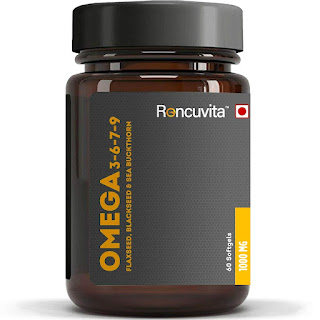
omega 3 fatty acids


What is Omega 3?

Omega 3 is a type of polyunsaturated fatty acid and it can be found in certain types of fish. It is also found in plant oils like walnuts, pumpkin seeds, and flaxseeds. It is considered an essential fatty acid because the human body needs it to function properly. Omega 6 is another type of polyunsaturated fatty acid that can be found in plants as well as animal tissues such as meat, eggs, and dairy products. The “good” polyunsaturated fatty acids are now being recommended by medical professionals for a variety of daily uses.

How to Choose the Best Omega 3 Supplement for You?

There are many supplements on the market these days that contain Omega 3. This means you have to do some research on which ones are the best! The first step is to ask your doctor what he or she recommends and what other Omega 3 supplements he or she is familiar with. Always make sure you are getting the right dosage and that it is a high quality product. You don’t want to take something that has too much or too little of the Omega 3 fatty acid. If you have any questions regarding this, please call the office of your medical doctor. The Omega 3 fatty acid is a polyunsaturated fat that is essential for the proper functioning of the body’s nervous system.

What is Omega 6?

Omega 3 and Omega 6 are essential fatty acids that people need. In general, they are in the form of triglycerides and can be found in seafood, plants, nuts, and seeds. The two main types of Omega 3 fatty acids are alpha-linolenic acid (ALA) and docosahexaenoic acid (DHA). Omega 3 is the most important of these because it is shown to have a healthy effect on heart health. It is also a building block for cell membranes, which are critical to the physical health of our body. Omega 6 is the second most important fatty acid because it is vital for brain function, growth and repair of cells.

Omega 3 and Omega 6 are found in high quantities in seafood and meats, but can also be obtained from dark green leafy vegetables and nuts. The table below shows the approximate percentage of Omega 3 and Omega 6 in different foods. Although fish and meats are excellent sources of these essential fatty acids, the majority of them is destroyed during the cooking process. The result is that we do not get any benefit from the essential fatty acids during our daily diet. A much better strategy is to take omega 3 and 6 supplements because they are very easy to absorb by the body.

Commonly Consumed Foods with Omega 3 and Omega 6

Omega 3 and Omega 6 are two fatty acids that are found in many different types of food. They're commonly associated with fish, nuts, and oils such as olive oil. Omega 3, an essential fatty acid, promotes brain health and is believed to help reduce inflammation. Meanwhile, Omega 6 fatty acids may be inflammatory and are believed to promote inflammation.

Foods High In Omega 3 and Omega 6

While many types of fish such as salmon, tuna, mackerel, and sardines are high in Omega 3 and are considered a good source of these fatty acids. They're also one of the best sources of Omega 6's. Since they're so high in these fatty acids, they're a good source of both types. Fish oil is another type of food high in Omega 3 and a good source of these fatty acids. One tablespoon contains 12 mg of Omega 3, but it's also high in the Omega 6 fatty acid, DHA.

This can make it hard to get enough Omega 3 from fish oil alone unless you eat a lot of fish and supplement it with something else. Omega 3 usually comes from fish, but for some people their body doesn't produce enough to get the job done. That's why you need to be careful. Since fish oil can be expensive, many people don't include it in their diet. You can take fish oil supplements, but you should always check the labels. The amount of Omega 3 in a supplement might be different from what you're used to.

Benefits of Omega 3 and 6

Omega 3 and 6 are essential fatty acids. They are a group of long-chain, polyunsaturated fatty acids. The two short-chain omega 3 fatty acids, alpha-linolenic acid (ALA) and linoleic acid (LA), are found in plant oils, while the long-chain omega 6 fatty acids are produced in animals and plants. Omega 3 is mainly used to make eicosanoids, which help regulate various physiological processes in the body. These eicosanoids include prostaglandins, thromboxanes and leukotrienes. The two main omega 6 fatty acids are linoleic acid (LA) and arachidonic acid (AA).

Omega 3 and 6 are both essential nutrients, meaning they cannot be synthesized in the body and must be obtained through diet. Omega 3 is found primarily in fatty fish, such as salmon, herring and mackerel, as well as flaxseed, walnuts, wheat germ and canola oil. Omega 6 is found in meat and milk products.

Conclusion

Omega 3 and 6 as well as other nutrients are essential to a healthy diet. They play an important role in our skin, hair, and cardiovascular system, but these are just a few of the benefits that omega 3s provide. Omega 3s also helps support brain function, mood, digestion, and brain health.


Monday, 13 December 2021

Omega-3-6-9 Benefits for Diabetes


The benefits of omega-3-6-9 so far have been substantial, with studies showing that it can help treat diabetes and lower the risk of heart disease. However, if you are looking for ways to improve your health and lifestyle, you'll want to know what else you could do with this supplement! If you would like to learn more about the benefits of this supplement.

The recommended daily dosage of omega-3 is between 1,000 mg and 3,000 mg per day. Some people may benefit from taking more, but it is important to note that too much can have side effects. If you find that you are not benefiting from omega-3, you should consult your doctor and reduce the dosage to a more manageable level.

omega 3 fatty acids


What are the Benefits of Omega 3 6 9?

Omega 3-6-9 benefits range from improved heart health, to lowering the risk of cancer and Alzheimer's disease. For example, a study done by the University of Pennsylvania found that alpha-linolenic acid (omega 3) reduced triglycerides to normal levels, while omega 6 helped lower inflammation. Another study also found that omega 9 helped reduce symptoms of depression in men with diabetes.

How to Use Omega 3 6 9?

You can take omega 3-6-9 in supplement form, or you can eat foods with high omega 3-6-9 content. For best results, you should take 2 grams of omega 3-6-9 per day. You’ll find most of the omega 3-6-9 in fish, so you can find a high quality fish oil at your local grocery store. The problem with fish oil supplements is that they usually contain only one type of omega 3-6-9, which may be okay for some people, but not for others. You can also take some omega 3-6-9 supplements as a food, like flaxseed oil or fish oil. If you take fish oil as a food, the effects of the supplement will be amplified. Taking omega 3-6-9 supplements can be beneficial for some people and a waste of money for others.

How important are omega 3 6 9 for Diabetes?

According to the American Diabetes Association, adults with diabetes should eat fatty fish two to three times weekly. These include salmon, trout, tuna and mackerel. Omega-3 is vital for our brain function, heart health and reducing body fat from the hormones regulating metabolism. They also help prevent cell damage in diabetic patients. Research has shown people who eat fatty fish have a lower risk of developing diabetes and other conditions.

Omega-3s for diabetics are provided by daily consumption of fish or other foods rich in omega-3 fatty acids such as flax and chia seeds. The body can't manufacture its own omega-3 fatty acids. You need to get them from your diet, so a daily intake of fish or their oils is recommended.

How is dietary omega 3 6 9 converted to body levels?

Dietary omega-3-6-9 benefits for diabetes. Many people in today's world would like to have a healthier heart, but have trouble sticking to a diet that will help them reach this goal. One study found that taking supplements of dietary omega-3 and 6 can help control blood glucose levels and reduce insulin resistance. It is particularly useful for those with type 2 diabetes. Cardiovascular Disease The pills are mainly used to prevent cardiovascular diseases, such as heart attacks and strokes . It is also used to help treat high blood pressure and high cholesterol. Breast cancer This supplement may help decrease the risk of breast cancer in post- menopausal women.

It is also known to help with reducing the risk of breast cancer in young women. Depression Although it is not as well researched, there have been a few studies that have shown an increase in serotonin levels through the use of omega-3. This can help with depression and other mental health disorders. Heart disease many studies have been done on the effects of omega-3 on heart health, and it has been shown to help with normal functioning of the heart. It is also recommended as a supplement to help with high cholesterol and blood pressure.

Migraine Headaches Omega 3 fatty acids may be helpful in the treatment of migraines. The benefits may come from the reduction of swelling and inflammation in the brain, which can be caused by omega-3. Also, omega 3 fatty acids may have an anti-inflammatory effect on blood vessels in the brain Anemia Omega 3 fatty acids can help to reduce the symptoms of anemia. These symptoms include fatigue, shortness of breath, palpitations and dizziness, which are very common in people with anemia. They may also help to increase the number of red blood cells in circulation.

When should we take omega 3 6 9 supplements?

Omega 3 6 9 supplements are mainly taken when there is a medical indication. The reason is that the research on these fatty acids is still new and not much research has been done. This is why it is important to talk to your doctor before supplementing omega 3 6 9. If you have any serious medical condition there are also some contraindications to supplementing omega 3 6 9. Before you begin taking omega 3 6 9 supplements it is important to talk to your doctor about your medical condition for sure. Omega 3 6 9 is a very interesting supplement. It has many health benefits, especially for the heart and brain. But you have to be careful and make sure to follow the right dosage guidelines.

This is why many people around the world are choosing to buy it online. It is important to buy it from a reliable dealer. You should make sure you buy the correct brand, too. Some of the brands that are available online are: Natural Factors, Kirkman, Nordic Naturals and Genesis. A lot of online retailers are sometimes offering a better price than what you would get at a local store.

Conclusion

The omega-3-6-9 benefits of a diet low in carbs can help people with diabetes lead healthier lives without the side effects that usually come along with diabetes.

Monday, 6 December 2021

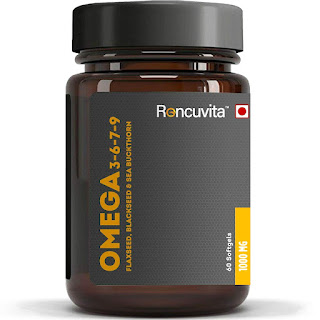
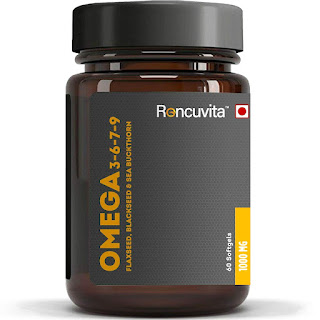
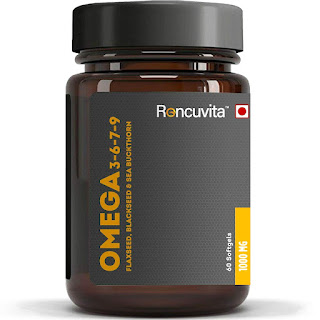
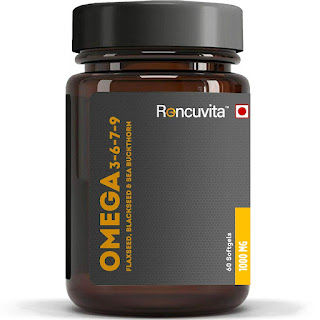
What are The Benefits of Omega 3 6 7 9 Capsules

Omega 3 6 7 9 is a widely used supplement that has been shown to reduce inflammation. Learn about the benefits of taking omega 3 6 7 9 and how it can help you live a healthier lifestyle.

Omega 3 and omega 6 are two essential fatty acids that your body needs to function properly. Human bodies cannot produce these fatty acids on their own, so they must be consumed through food. Omega 3 and omega 6 are found in plants, nuts, grains, and fish. Omega 3 is found in fatty salmon and sardines, for example, whereas omega 6 is contained in vegetable oils like corn oil. Because your body needs these fatty acids, they are considered essential. Essential fatty acids (EFAs) help regulate and support healthy cell functioning and are needed for growth and development. Some research has also shown that omega 3 and omega 6 are very important for maintaining healthy brain function.

omega 3 fatty acids


What are the benefits of omega 3, 6, 7, and 9?

Omega-3 is one of the most important nutrients for regulating the lipid profile. It has been seen to help improve mood, reduce depression and anxiety levels, increase cognitive abilities, and it can also help with epileptic seizures. Omega-6 has many benefits too. It can help with inflammation, arthritis, asthma and so much more. So if you're looking for a supplement, then try taking some omega-3 supplements as well as omega-6 supplements. This can help you out a lot.

You need to take omega-3 fish oil with other supplements. It's best to use it before and after exercising and during the day. This way you can get more benefit from it. Try taking it with your multivitamin supplements and a probiotic. You should see positive results in as little as 48 hours. Another supplement that can benefit you is Vitamin D. It's been found to help with brain function, memory and many other things. A good multivitamin supplement can also be a great resource. It can help you get more of the good vitamins and minerals that your body needs.

Where to Get Omega-3, 6 and 7

The benefits of eating omega-3, 6 and 7 are well documented. Omega-3 is a type of polyunsaturated fat that has been shown to help reduce the risk for cardiovascular disease. Omega-3 can also help boost mood and sleep patterns in some people. Omega 7 is a fatty acid that offers anti-inflammatory properties that may help with skin diseases like psoriasis, eczema and acne, as well as arthritis. Lastly, omega-9 is a type of polyunsaturated fat that offers anti-inflammatory properties and helps balance out the effects of omega 3s. Find out where to get omega-3, 6 and 7 from.

What Dieters Can Do: If you’re on a diet and you want to get in a good serving of omega-3s, consider adding salmon or other fatty fish to your diet. If you’re not on a diet, eat foods that are rich in omega-3s since those are the types of fat that your body can use to make more hormones.

Food High in Omega-3s: Nuts and Seeds (peanuts, walnuts, flaxseeds, and pumpkin seeds), Eggs, and Salmon. Can you take omega 3 and 6 with fish oil together or do they cancel each other out?

As omega 3s are anti- inflammatory, they help to avoid asthma attacks if you suffer from it. Omega 3 and 6 fatty acids are also important for your brain and nervous system. A diet high in omega 3 fatty acids can increase HDL (good) cholesterol and reduce LDL (bad) cholesterol. Consuming avocado oil and flaxseed oil is one way to increase the amount of omega 3s in your diet.

How to Choose an Omega 3 Supplement

Omega-3 fatty acids are touted as a health food, but what is the best way to choose an omega 3 supplement? An adult should take about 2.4 grams of DHA or EPA per day, so you'll need to consume about 3 capsules each for a month to get the recommended amount. I recommend choosing the type of omega 3 that is derived from fish oil, which have been shown to be beneficial for heart health.

How to Take an Omega 3 Supplement

Choosing a omega 3 supplement is extremely important because each one can provide different benefits. Some have high levels of EPA, while others are rich in DHA and contain both. You should also take into account the amount of the omega 3s that are in the supplement. The ideal amount is 100mg per capsule, but many supplements have only 70mg per capsule or less! This means you will need to buy more than one bottle; this is an expensive habit that could be avoided if you took a capsule daily without fail.

Which Ones Should I Buy

Omega-3 fatty acids are a type of polyunsaturated fatty acid. They compete with the body's omega-6 fatty acids to control inflammation and may help reduce the body's risk for certain types of depression and arthritis. Omega-7 fatty acids help with blood, skin, eye, and hair health. Omega-9 is associated with reduced inflammation and muscle recovery after exercise. Even without considering the health benefits, Omega-9 is an important ingredient for athletes because it can lead to faster recovery times.

You might be interested in subscribing to Consumer Reports for free. They are a respected consumer organization with a proven track record of unbiased testing. You won't find any glossy ads for supplements or newfangled claims about how the product will change your body. They provide practical information in formats you can use.

Conclusion

This article provided information on the benefits of fish oil capsules. Omega 3 and 6 are two key saturated fatty acids that the human body needs to function properly. Omega-3 can improve heart health and decrease inflammation while omega-7 reduces blood pressure by increasing nitric oxide levels. Omega-9, also known as 9-HDHA, is a type of polyunsaturated fatty acid that is associated with having a longer life span.


Friday, 3 December 2021

What is the Difference between Omega-3 and Omega-6 Fats?

 Omega-3 and -6 fats are two of the most important human fats. Unfortunately, these types of fats have a bad reputation because they have been associated with many diseases like heart disease and cancer. Omega-3 fats are commonly found in fish while Omega-6 fatty acids are typically found in vegetables. Find out more about the difference between these two in this article! Coconut oil is popular cooking oil because it can withstand high heat without turning rancid and it has a neutral flavor. Nutrition experts recommend using extra virgin coconut oil and keeping it in an airtight container in the refrigerator to maintain its natural properties. This means it will be fresh and healthy, but if you need oil that is a little more stable in the jar, then I would recommend lard or tallow.


What are Omega-3 Fats?

Omega-3 fatty acids have many health benefits. Omega-3s are found in fish, which is why it's important to eat them a few times per week. They can reduce the risks of heart disease and stroke, as well as improve the symptoms of mood disorders and mental illnesses like bipolar disorder and depression. Omega-3s also help to promote brain development in children and lower the risk of developing depression and dementia later in life. The human body naturally produces certain fatty acids called the "long-chain omega-3" fatty acids. EPA and DHA are the most common, but there are others such as alpha-linolenic acid (ALA), docosahexaenoic acid (DHA), and eicosapenta enoic acid (EPA).  These fatty acids can be found in fish, flaxseed oil, and some other animal sources. The conversion of ALA to EPA and DHA is accelerated by adding vitamin E and/or ascorbic acid, so many people supplement with these in an attempt to increase the body's level of these fats.  DHA is difficult to make in the adult body, and has been associated with anti-inflammatory effects.  Additionally, DHA is an important building block of the brain and nervous system.

What are Omega-6 Fats?

Omegas-3 and Omega-6 fats are essential nutrients for our body. Omega-3's are a type of polyunsaturated fat that supports healthy heart function, brain function, eye health, and immune system functioning. The good type of omega-3s can be found in fatty fish, such as salmon or sardines while the bad type is found in vegetable oils like soybean oil. Omega-6 is essential because they help our body to produce hormones, make cell membranes, and support inflammation and oxidation disorders.

The Differences between Omega-3 and Omega-6

Omega-3 and Omega-6 are two types of fats that are important for your physical, mental, and cognitive health. Omega-3 is important in fighting inflammation, while Omega-6 helps with heart health. The differences between the two are that Omega-6 is produced in your body and can't be found in plant oils, but it's found in fish and other animal products. On the other hand, Omega-3 is most commonly found in plant oils like flaxseed oil, walnuts, and chia seed oil.

How to Include More Omega-3 and Fewer Omega-6 in Your Diet

Omega-3 and Omega-6 fats are both essential for human health. They are both found in some foods, such as nuts, and can be made by our bodies out of other fats. The difference is that Omega-3 fatty acid has anti-inflammatory properties, while Omega-6 has pro-inflammatory effects on the body. By eating more Omega-3 fats while limiting bad Omega-6 fats, you can help your body control inflammation more effectively. That's a good thing, because over time, chronic inflammation is linked to many chronic diseases, so reducing it can help you live longer.

Cons of Too Much Omega 6

Omega-6 fats, unlike omega-3 fats, can become rancid and put you at risk for heart disease and chronic diseases. Fortunately, it's not difficult to get enough omega-3 in your diet by eating seafood, walnuts, and flaxseeds. But if you are someone who stays away from these healthy fats because they are difficult to incorporate into your diet, then you need to make sure that you're getting enough omega 6.

Conclusion

Omega-3 and Omega-6 fats are both good for your health. However, the body needs to maintain a balance between these two types of fats in order for it to function properly. When you consume too much of either one or the other, your body will not be able to effectively use them.

Tuesday, 30 November 2021

What Is Omega 6 and How Much Omega 6 Per Day?

Omega 6 is a type of fat found in natural oils, and has been linked to heart disease and plenty of other health issues. In this article, we take a look at what exactly Omega 6 is and how much is being recommended per day for adults with healthy lifestyles. The Omega 6-6 ratio is the amount of Omega 6 to Omega 3. It can be calculated by dividing a person's total intake of Omega 3 by their total intake of Omega 6.

omega 3 fatty acids


What is Omega 6?

Omega 6 is an essential fatty acid that the human body cannot manufacture on its own, so it must be obtained through diet. Omega 6 is found in high amounts in most vegetable oils. Omega 6 is also known as linoleic acid and can be found in a wide range of food sources including margarine, nuts, seeds, eggs, and dairy products. Omega 6 is also found in high amounts in meats, poultry, and fish.

Omega 6 has a variety of benefits to the body that go beyond just maintaining healthy hair and skin, including the following:

* Addresses inflammation and helps to prevent it.

* Plays a role in helping to maintain a healthy nervous system.

* Helps to maintain a healthy immune system.

* Plays a role in the development and repair of synapses.

* Inhibits cancer growth and can also help fight certain types of cancers.

* Supports the nervous system, liver and eyes.

The Risks of Too Much Omega-6

The main types of omega-6 fatty acids are linoleic and arachidonic acid. These fats are found in the oils that we cook with and in our diets. Omega-3 is important for heart health and controlling blood pressure, but too much omega-6 can cause oxidative damage to cells. Omega-6 fats are found in many foods, including:

Flavor oils (such as soybean and corn oil) Margarine and butter. In addition to the risks of excess omega-6, there is some evidence that omega-3 fatty acids from foods like fatty fish and fish oils are linked to an increased risk of certain cancers. However, there are no healthy levels of omega-3 in the typical American diet.

The most direct effect is to increase inflammation, which can lead to a variety of diseases, including heart disease and cancer. The researchers estimated that the world would need to increase food production by 60% to meet the projected increase in demand for food, so it seems unlikely that most of the world’s population will increase its consumption of omega-3 fatty acids. Overall, the report is likely to raise more questions than it answers, but it does call for more research in this area.

How can I reduce my intake of omega 6?

Omega 6 is a type of fat found in oily fish, nuts, seeds and vegetable oils like soybean oil. Omega 6 is also found in dairy products such as milk and cheese. In the diet, omega 6 helps the body to manufacture more hormones – including hormones that regulate metabolism, moods, and muscle tone. The problem arises when we consume too much of the type of fat that contains omega 6.

Unfortunately, the body doesn’t break down this fat, and this type of fat is stored in our bodies. The body develops a process called oxidation, which causes the omega 6 to turn into a compound called a free radical. These free radical molecules, then, damage cells in our body and cause all sorts of health problems.

Foods that contain omega 6 fatty acids

Omega 6 fatty acids are found in many places, such as vegetables and olive oil, but they're also present in animal products. Omega 3 fatty acids are primarily found in fish oil, but can also be found in grass-fed meat, eggs from pastured hens and nuts. Protein is a building block of life, and it's what we consume the most of. We need protein from plant sources because animals (including humans) can't produce their own. Some people need a little more than others though, and they should get it from sources like quinoa, sprouted grains, hemp seeds and nuts.

A small number of people are sensitive or allergic to grains or gluten in general. Making sure you're eating enough protein at breakfast and dinner is important for them. The RDA is based on the needs of people over 60. However, people under the age of 18 needs to consume more protein. It's recommended that children get 9-13 grams of protein a day, which is about one-third of the RDA for adults.

Conclusion

Omega 6 is an essential part of a healthy diet. But the question is how much omega 6 do you need? There are different opinions on this. If you're considering a diet low in omega 6, speak to your doctor beforehand.


Thursday, 25 November 2021

Buy Omega 3 Fatty Acids online at Best Prices in India

 Omega 3 Fatty Acids are vital compounds that are required for healthy skin, joints, brain, heart and the entire body. They are also marketed as weight loss boosters because of their ability to increase metabolism. However, buying Omega 3 Fatty Acids online is not always easy so this article will help you find the best price for them. BHA is a drying, white crystalline compound. It is used in cosmetics and medicine to remove fatty substances in the skin and in the elimination of toxins and digestive disorders.

omega 3 fatty acids


What are Omega 3 Fatty Acids?

Omega 3 Fatty Acids are a type of fatty acid that is essential for good health. They can be found in certain foods such as fish and some plants. Omega 3 Fatty Acids are known for their ability to reduce inflammation in the body and for providing protection from heart disease, cancer, and other diseases related to inflammation. Omega 3 Fatty Acid is a type of fatty acid that is essential for good health. They can be found in certain foods such as fish and some plants. Omega 3 Fatty Acids are known for their ability to reduce inflammation in the body and for providing protection from heart disease, cancer, and other diseases related to inflammation.

Omega 3 Fatty Acids are a type of fatty acid that is essential for good health. They can be found in certain foods such as fish and some plants. Omega 3 Fatty Acids are known for their ability to reduce inflammation in the body and for providing protection from heart disease, cancer, and other diseases related to inflammation.

Benefits of Omega 3 Fatty Acids

Omega 3 Fatty Acids are essential for a healthy lifestyle. Omega 3 fatty acids can help prevent and treat type 2 diabetes, cardiovascular problems and depression. How much is Recommended Daily Intake? According to NIH, the RDI for adults aged 19 and older is 1.6 grams of omega 3 fatty acids. To meet the RDI, you need to consume about 2 tablespoons of fat-free or low-fat dairy or canola oil spread on bread or crackers 3-4 times a week. It is important that you consume the oil in its natural form. Don’t add the oil to a food processor and process it, as this can destroy the nutrient in an omega 3 fatty acid.

There is a lot of research that suggests that the benefits of omega 3 fatty acids on depression is due to the benefits on the neurotransmitters that are affected in depression; especially dopamine. According to Harvard Health Publications, omega-3 improves memory and slows cognitive decline. Research published in the April 2014 issue of Biological Psychiatry found that people who had high levels of omega-3 were more likely to improve cognitive functioning over time. Additionally, research published in the May 2013 issue of Biological Psychiatry found that patients diagnosed with major depression had lower levels of DHA in the red blood cells.

How Much to Take?

You can buy Omega 3 fatty acids in a number of places--your local pharmacy, grocery store, and even some gas stations. But what you may not know is that they also sell them at prices that are much cheaper than in the health and wellness stores. So if you're looking for a place to buy these supplements, you would be wise to look online.

Where can I buy them in India?

Omega 3 fatty acids are essential for our body. Omega 3 is important because it helps regulate the levels of good cholesterol in our bodies. These are considered to be some of the most effective substances for reducing bad cholesterol and preventing heart disease. For these reasons, it is recommended by doctors to take omega 3s regularly. You can buy Omega 3 online at best prices in India from Amazon.

Best Brands of Omega 3

Omega 3 is important for health and wellbeing. Fish oil is the best source of these acids because it's a rich source of them and also contains anti-inflammatory omega 3 that help fight inflammation. These acids are sold by different brands in India, but you can buy them from us at par with Indian market rates.

Conclusion

Omega 3 fatty acids are required for general health. As fish is now becoming increasingly expensive, people are resorting to the use of natural sources like flaxseeds, walnuts, and hemp seeds.

Wednesday, 24 November 2021

Omega 3 Fatty Acid Capsules Brand in India

Omega 3 is one of the most important sources of good fats that the human body needs to function properly. One way that omega 3 is obtained is by eating a variety of seafood, but this isn't always possible for many people. Find out more about omega 3 fatty acid capsules brands in India and how they can help you meet your daily recommended intake.

omega 3 fatty acids


Omega 3 fatty acid capsules

Omega 3 fatty acid capsules are manufactured by taking natural extracts of wild food like fish, algae, or plant sources. These supplements are effective to the body because they deliver nutrients directly into the cells themselves. They're also quick acting and fast acting which means that you might start feeling changes within minutes of taking them. You can find omega 3 fatty acid supplements in the store, but you could also make your own at home. In this video you'll learn how to make your own omega 3 supplements at home.

What are Omega Fatty Acids?

Omega-3 fatty acids are generally classified as anti-inflammatories. They can contribute to bone health and protect against cardiovascular diseases, as well as help with other chronic medical conditions like diabetes and arthritis. Omega 3 also has a long-term impact on the brain and mood. How much do I need to take? You can take up to 2,000 milligrams of omega-3s daily. The daily recommendation for adults is 1 gram for men and 1.5 grams for women. You can purchase omega-3 supplements at any major pharmacy, grocery store, health food store or online.

Benefits of Omega Fatty Acids

Omega-3 fatty acids are called for in full force to combat the issues of diabetes, cardiovascular disease, rheumatoid arthritis, and many other health problems. They are also considered essential for overall health and mental function. Omega-3 fatty acids are found in animal sources like fish, salmon, trout, herring, mackerel, sardines and krill oil....

How to Use Omega Fatty Acids

Omega 3 fatty acids are essential nutrients that play a vital role in our healthy functioning. It is important to consume the right amount of omega 3 fatty acid for good health. That is why it is recommended to take omega 3 fatty acid capsules or liquid oils rather than to cook with these oils. How to Use Omega Fatty Acids. Omega 3 fatty acids are essential nutrients that play a vital role in our healthy functioning. It is important to consume the right amount of omega 3 fatty acid for good health. That is why it is recommended to take omega 3 fatty acid capsules or liquid oils rather than to cook with these oils.

Omega 3 fatty acids are essential nutrients that play a vital role in our healthy functioning. It is important to consume the right amount of omega 3 fatty acid for good health. That is why it is recommended to take omega 3 fatty acid capsules or liquid oils rather than to cook with these oils. Omega 3 fatty acids are essential nutrients that play a vital role in our healthy functioning. It is important to consume the right amount of omega 3 fatty acid for good health. That is why it is recommended to take omega 3 fatty acid capsules or liquid oils rather than to cook with these oils. Omega 3 fatty acids are essential nutrients that play a vital role in our healthy functioning.

Benefits of omega 3 fatty acids for weight loss

Omega 3 fatty acids are the polyunsaturated class of fatty acid that provides many benefits for weight loss. Some important benefits are reduced triglycerides, increased heart rate variability, improved memory and mood, reduced inflammation, and better eye health.

If you want to improve your health by taking omega 3 fatty acids every day make sure to buy them from a reputable company; this will ensure purity and quality.

Recommended dosage for Omega Fatty Acids

Omega-3 fatty acids are essential for good health. They are vital for brain function, immune system health, and healthy skin. Recommended doses are 1-2 capsules per day, but the best way to get omega 3s is through diet. Recommended dose for Guarana. Guarana is used to increase energy and concentration, and to improve athletic performance. Recommended doses are 1 -2 capsules per day. Dosage for Milk Thistle. Milk thistle is used to fight liver damage. Recommended dosages are 1-4 capsules daily, in divided doses. Slippery elm is used to soothe digestive tract and relieve gas and bloating. Recommended doses are 1 -4 capsules daily, in divided doses.

Conclusion

The result of this research indicates that omega 3 fatty acid capsules are best to be consumed for prevention and maintenance of coronary heart disease. It is advisable for all the people to consume these capsules in order to take care of their health.


Sunday, 21 November 2021

Which is Better Omega-3 or 6?

One of the most important fatty acids in our diet is omega-3. Omega-3 has been shown to reduce inflammation and improve mood. Those who eat a lot of fish, however, may be consuming too much omega-6. Too much omega-6 can cause inflammation and raise the risk for heart disease and cancer. A diet that includes a lot of omega-6 can contribute to high levels of inflammatory markers in the blood.

omega 3 fatty acids


What is Omega-3?

Omega-3 is a type of polyunsaturated fatty acid found in some food sources, such as fish and flax. It has been shown to provide many benefits, such as reduced inflammation and improved brain function. Omega 6 is a type of polyunsaturated fatty acid that is commonly found in the diet. Omega-6s are used for a variety of functions, including building cell walls and signaling cells to grow. Are omega-3 and omega-6 good for you? Omega-3 fatty acids and omega-6 fatty acids are essential fatty acids, meaning they are required for good health. These essential fatty acids (EFA) include linoleic acid (omega-6), alpha-linolenic acid (omega-3), and gamma-linolenic acid (omega-3); the omega-6s are also known as polyunsaturated fatty acids (PUFAs). Essential fatty acids are needed to build cell walls and support nervous system development.

To get more omega 3, you'll need to eat more fish

There are two types of omega 3 fatty acids: alpha-linolenic acid (ALA) and eicosapentaenoic acid (EPA). EPA is found in fish, while ALA can be found in certain vegetables like spinach, kale, chia seeds, walnuts, hempseeds, and flaxseeds. Omega 6 fatty acids are known as linoleic acid (LA), gamma-linolenic acid (GLA), dihomo-gamma-linolenic acid (DGLA), arachidonic acid (AA), and docosahexaenoic acid DHA. They are the most important omega 3 fatty acids for your diet. If you decide to buy fish oil, make sure it's in the form of a supplement. Fish oil supplements are not regulated by the FDA. They are typically made from fish that have been caught in the wild or farmed in questionable conditions. New studies have found that fish oil supplements are contaminated with mercury, PCBs (polychlorinated biphenyls), and even dioxins (a group of compounds created by the burning of certain plastics). Also, the FDA has not tested for dioxins, so you may be getting more dioxin exposure from these fish oil supplements than you're getting from eating fish.

Which is better Omega-3 or 6?

Omega-3 is more popular than Omega-6. It's often found in oily fish like salmon, mackerel, and sardines. The FDA recommends that people consume two to three servings of omega-3 per week, but the average American only consumes one serving of omega-3 per month. Omega-3 can help balance weight, prevent depression and asthma, and decrease inflammation. Omega-6 is found in many foods like nuts, vegetable oils like soybean oil or corn oil, and dairy products including whole milk. It can improve cognitive development for children and reduce heart disease risk factors. Still, most Americans get too much omega-6.

Cons of taking Omega 3 and Fish Oil Supplements

Omega-3 fatty acids are mainly found in coldwater fish, walnuts, flaxseeds, walnuts and seafood. Omega-6 is found in corn oil, soybean oil, poultry meat, eggs, cheese, margarine and processed foods. The two are said to compete for the same enzymes that break down certain molecules in cells producing inflammation during a process called oxidation. Experts recommend that omega 3 be taken with omega 6 through food intake or by taking supplements.

Benefits of taking Omega 3 and Fish Oil Supplements. Research has shown that people who have higher levels of the omega 3 fatty acids in their blood have a lower risk of heart disease, death from all causes, and cancer. While there are still some questions about the benefits of omega 3 supplements, most experts believe that they are beneficial for heart health. Studies have shown that supplementing the diet with omega 3 fatty acids can reduce blood pressure and the risk of cardiovascular disease by as much as 40 percent. Omega 3 has also been shown to reduce inflammation, which may help prevent cancer and diabetes.

Cons of taking Omega 6 and Fish Oil Supplements

Omega 3 and 6 are two important nutrients that we should all be taking to ensure good health. But, while omega-3 is essential for many parts of our bodies, there may be too much of a good thing. Omega-6 supplements can disrupt the balance of these essential fats and cause inflammation in some people. Many people are taking omega 6 supplements because they believe that the benefits of omega-3 are lacking. This could be true to some degree, but it is not the whole story. There are many other options that you can focus on if you are looking to improve your omega-3 intake.

Cons of supplementing with either nutrient

To figure out which is better, comparing the pros and cons of each is helpful. Omega 3 has many benefits like boosting brain health, reducing inflammation, and regulating blood pressure. Omega-6 has fewer benefits but it does act as an anti-inflammatory agent. The negative side effects can include increased risk for heart disease, weight gain (from consuming too much fat), immune system depletion, and hormonal disorders.


Tuesday, 9 November 2021

What Are The Omega-3-6-9 Benefits?

 Omega 3, 6, and 9 are essential fatty acids that are good for your heart, brain, and hair. These acids are found in fish oil, but can also be found in plants like walnuts. Find out more by reading about the benefits of omega 3-6-9. As we age, many of us tend to become more susceptible to memory loss and the effects of Alzheimer's disease. One study that was published in the Journal of the American Medical Association examined a large number of elderly people and how they performed on a memory test.

omega 3 fatty acids


What are the Benefits of Omega 3?

Omega 3 is essential for the proper functioning of the human body. It is considered to be the most important fatty acid in terms of provision of energy and is necessary for normal cognitive function. Omega 3 can help protect against heart disease, cancer, diabetes, arthritis, stroke, Alzheimer's disease and many other chronic diseases. The body daily produces some omega 3, but the human diet also contains a variety of omega 3 fatty acids from fish and plant foods. Omega 3 is best known as a heart-healthy fatty acid. In addition to its importance for proper heart health, omega 3 is also believed to have many other benefits including improved mood, better sleep, and a lower risk of cancer.

What are the Benefits of Omega 6?

Omega 6 has over 100 benefits for your health, including lowering cancer risks and fighting age-related diseases. Omega 6 is also known to help improve the symptoms of asthma, dry skin, eczema, psoriasis, joint pain and arthritis. It can also help you lose weight while keeping your heart healthy. What are the Potential Negative Effects of Omega 6? When your intake of omega 6 is too high, some of the side effects may include skin diseases such as rashes, eczema and psoriasis. Fish oil intake can also lead to a decrease in blood cholesterol levels. A study in 2011 showed that the use of fish oil supplements may increase the risk for cardiovascular disease. Women who consumed 2g of Omega 3 and 6 per day were found to have an increased risk of breast cancer. Fish oils can also lead to fatigue and insomnia, as well as decreased liver function.

What are the Benefits of Omega 9?

Omega 9 is a chemical compound that can attach to a fat molecule in a certain way, making it more difficult for the body to digest it. Omega 9 does not have any significant nutritional value, but some people have claimed that it can help with ulcerative colitis, colon cancer, and inflammatory bowel disease. The Evidence that Omega 9 Is Helpful. There is little research on omega 9. Most studies have combined it with other things, such as vitamin E. There is little evidence that omega 9 helps ulcerative colitis, but many studies have found it can help lower cholesterol level and protect against heart disease. The research on omega 9 and colon cancer is poor, but many studies have found that it can help protect against cancers of the breast, colon, and prostate. Two studies on omega 9 show that it may help reduce the risk of colon cancer in at-risk populations. The Evidence that Omega 3 Is Helpful. The research on omega 3 is strong. Most evidence shows that it helps reduce the risk of heart disease, improves blood vessels, and helps with joint pain. There is also some evidence that it may help prevent cancer and dementia.

The importance of omega 3, 6, and 9 for healthy brain functioning

“Omega-3 is the building block of our cell membranes.  Omegas 3, 6, and 9 are essential for healthy brain function; they help us to maintain optimal levels of blood pressure; omega 3s improve the effectiveness of our immune system; omega 3s are also found in our brains and eyes, where they play vital roles in helping us to see color and process images. The omega 3 fatty acid DHA is vital for healthy functioning of the blood-brain barrier, a membrane that keeps toxins from getting into our brain. “I’m not sure that I would want to get Alzheimer’s at the age of 40,” said Dr. Perlmutter. “I don’t want to be some feeble, sick person who can’t do things, can’t remember things.”

Additional Omega 3 Sources

Omega 3-6-9 benefits are associated with visible skin changes, improved digestive function, and weight loss. Studies have shown that omega-3 supplementation may prevent heart disease, autoimmune diseases, cancer, and cognitive decline. Omega 3 also contributes to a healthy brain and a healthy heart. Omega 3 fatty acids are found in fish, but the fatty acid is not well absorbed in most people. It is best to consume an omega-3 fatty acid supplement with 1200 mg of EPA/DHA per day. If you are a vegetarian, plant-based sources of omega 3 fatty acid can be combined with flaxseeds, chia seeds, hemp seeds, and walnuts. Supplements (if they’re taken in excess) can interfere with many of the body’s processes. 

The next day, I woke up again at 3am, and before I knew it, I was awake for 30+ hours. In my opinion, a night like this doesn't affect anyone else but you. You have to think about your body's circadian rhythms, and you have to make the best out of every day. Plus, you're already in a dark place. You can't get much darker than that. So, make the most of it. Get out in the sunlight if you can during the day. If you work all day, don't think about going out at night. I've had a few days where I started to feel myself again. It was nice. You just have to try your best to take it all in stride, and not let the darkness consume you.

Conclusion

The main benefits of omega-3, 6, and 9 are that they are known to maintain healthy brain cells, improve eye health, prevent heart disease, prevent cancer, and reduce the risk of dementia.

Tuesday, 2 November 2021

Why Are Omega 3 Fatty Acids Important?


Omega 3 fatty acids have been shown to be important for a variety of health benefits, from lowering the risk of heart disease and autoimmune diseases to improving your mood. In this article you'll find some great tips on how to ensure you're getting enough omega 3 from your diet as well as some additional information on the importance of taking omega 3 supplements.

omega 3 fatty acids


How do omega 3 fatty acids benefit the body?

Omega 3 fatty acids are a type of polyunsaturated fat found in some plants and animals. They are important for many reasons, such as helping with heart health and reducing the risk of scarring on the skin after injury. Omega 3 also helps regulate cell communication. What roles do omega 3 fatty acids play in the body? Omega 3 are an essential type of polyunsaturated fat, which means they can't be produced by the body on its own. However, they're important for many aspects of health and wellness.

Omega 3 Fatty Acids and the Brain

Omega 3 fatty acids are important for the brain and other organs. Research suggests that omega-3s can reduce inflammation, thus creating a better environment for your brain cells to work quickly and efficiently. Moreover, getting sufficient amounts of DHA (found in flaxseeds and fish oils) is important for your brain health as well. I have two articles available on how to get enough omega-3s.

As you can see, it is important to get your coconut oil to the correct temperature; it should be close to body temperature! Be sure that you use organic coconut oil. This recipe is for 1/2 cup coconut oil. Adjust the amounts to suit your tastes. However, you may want to add a little bit of stevia glycerite or raw honey if you wish to use sweetener on the top of your pudding.

Benefits of Omega 3 Fatty Acids

Omega 3 fatty acids are important because our bodies cannot produce them. They are found in certain foods like fish, eggs, and walnuts. These components help lower high blood pressure and improve the health of our hearts. Omega 3 fatty acids also help reduce inflammation by reducing levels of cytokines that can lead to allergies, asthma, arthritis, and cancer.

What to eat on a low carb diet?

Omega 3 fatty acids are important for maintaining a healthy heart and brain, but they're also important for overall mood. Some studies suggest that Omega 3 can help with depression, anxiety, and even bipolar disorders.

Omega 3 Fatty Acids as Supplements

Omega 3 fatty acids in supplements in many forms: in liquid, capsule, and softgels. They can be found in most grocery stores, health food stores, and better drug stores. However, the main point of this article is to recommend three types of omega 3 fatty acids that are best for you: EPA (eicosapentaenoic acid), DHA (docosahexaenoic acid), and ALA (alpha-linolenic acid).

Conclusion

Omega 3 fatty acids are important because they lower the risk of heart disease, stroke and cancer. Omega 3’s also helps with brain and eye health and helping to avoid developing Alzheimer's disease.