Tuesday, 16 November 2021

Does Omega 369 help with memory?

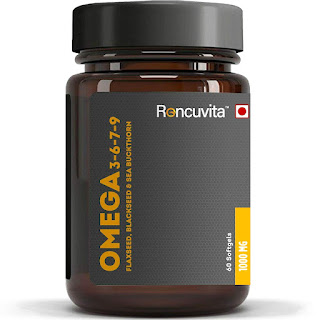
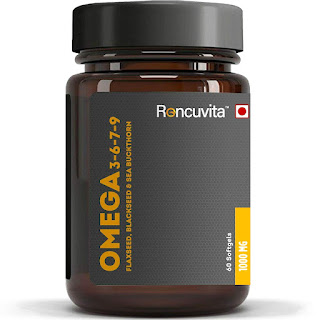
 Omega 369 is a product that provides omega-3 fatty acids and vitamin D. Omega-3-6-9 Benefits was published in The Nutrition Report by Adam Jones. This article explores the dietary supplement and its benefits to memory, cholesterol, and weight loss. Omega 369 helps with healthy brain function, a reduction in blood pressure and a positive effect on heart health. This supplement may also improve attention and focus, and lower LDL cholesterol.

EFA (essential fatty acid) supplements are often used to improve the health of the brain and body. Omega 369 is a natural option for kids and adults.

omega 6


What is Omega 369?

Omega 369 is a dietary supplement that helps to improve memory. It contains Omega 3 fatty acids which help with brain function and synapses. Omega 369 also contains Omega 6 so it can be useful for those who suffer from joint pain or arthritis, as it promotes joint flexibility and stability. Omega 369 is also great for cardiovascular health and helps to keep the heart healthy. Omega 369 supports brain function while at the same time promoting cardiovascular health. This product is great for the elderly. People who are suffering from Alzheimer's disease, Dementia, and other forms of cognitive decline should take Omega 369.

The health benefits of Omega 369

Omega 369 is a fish oil supplement. It has been said to help with memory and omega-3 levels in the body. Some studies have also shown that it can help with ADHD symptoms, schizophrenia, and bipolar disorder. The problem with Omega 369 is that it does not have a high dosage of DHA, so it may not be as effective as other fish oil supplements that do.

Positives of Omega 369. Parents should not give this supplement to children under the age of two since it contains high amounts of mercury.

The health benefits of Omega 369. Omega 369 is a fish oil supplement. It has been said to help with memory and omega -3 levels in the body. Some studies have also shown that it can help with ADHD symptoms, schizophrenia, and bipolar disorder. The problem with Omega 369 is that it does not have a high dosage of DHA, so it may not be as effective as other fish oil supplements that do. Positives of Omega 369. Parents should not give this supplement to children under the age of two since it contains high amounts of mercury. The health benefits of Omega 369. Omega 369 is a fish oil supplement. It has been said to help with memory and omega -3 levels in the body. Some studies have also shown that it can help with ADHD symptoms, schizophrenia, and bipolar disorder. The problem with Omega 369 is that it does not have a high dosage of DHA, so it may not be as effective as other fish oil supplements that do.

How to take Omega 369

Omega 369 has been found to improve cognitive function, including memory, which typically declines in old age. Omega 369 is a dietary supplement with omega-3 fatty acids - DHA and EPA - but is not actually labeled as an omega-3 supplement. How do you take Omega 369? Omega 359 and 343, like omega-3 fatty acids, can be absorbed through your skin and stomach and are taken in supplement form.

How much Omega 369 to take? The recommended daily amount is one capsule, three times a day.

The drawbacks of taking Omega 369

The biggest issue with taking Omega 369 is the number of ingredients. There are 40 ingredients in this supplement, which makes it difficult to research and find out if it is safe or not for your body. A second issue, which is related to the first one, is that there are no clinically proven studies about Omega 369's effectiveness on improving memory. Because of these two problems, it is important that you use caution when taking Omega 369.

Taking all of the supplements together will not only help you boost your memory, but it will also support your overall health. The supplements can boost your energy levels, improve your mood and help encourage healthy weight loss.

Side effects of Omega 369

The side effects of Omega 369 are usually the same as any other supplement. They can also include slight changes in mood and hunger levels, which can lead to an increased risk for overeating. Consumers should take care when considering a potential supplement or visit a doctor before taking it. Reactions to Omega 369. There is little evidence on the side effects of Omega 369. It is likely that the same reactions will be common for all supplements. These may include stomach irritation, nausea, dizziness, headaches, and diarrhea and sleep disturbances.

Omega 369 is a supplement that has been found to be ineffective and potentially dangerous. The product does not appear to provide any therapeutic benefit and may cause harmful side effects. Those who decide to take Omega 369 should consult with their doctor before starting.

Dosage and Precautions

Omega-3 fatty acids are considered to be very beneficial for brain health. Studies show that long term supplementation helps reduce Alzheimer's risk. They also help improve cognitive function in healthy people - both in the short and long term. However, it is important to note that there is a difference between omega-3 and omega-6. Omega-3s are considered to be much better for your brain health because they help decrease inflammation in your body. Omega-6s are linked to inflammation, but they also serve other purposes. It is possible that the optimal ratio for you may be different than someone else.

Antioxidants are important for brain health because they protect your brain against damage. They also help reduce inflammation in the brain. The best types of antioxidants for your brain are vitamin C, vitamin E, beta carotene, zinc, and selenium.

Conclusion

Some people think that omega 369 supplements are helpful for memory. However, there is not enough evidence to support this claim. Therefore, it is best to avoid taking omega 369 without consulting your health care provider first.

Sunday, 14 November 2021

What is the best way to take omega 3 capsules?

Omega 3 is an essential part of a healthy diet because they provide the building blocks for everything in your body, including brain cells. But if you're not sure how to take them, this article will go over the basics!

omega 3


What are omega 3 capsules?

There are two types of omega 3 capsules, which are both made with the same ingredients. The first type of capsule is called soft gels and they can be used as a dietary supplement or on their own. They are made with fish oils, phospholipids, gelatin, glycerin, purified water, carnauba wax, and citric acid. The second type will be called hard capsules and they are made with oil-soluble fish oils. These capsules should not be used as a dietary supplement because they don't provide any nutrition to the body.

How do you take Omega 3 Capsules

The best way to take omega 3 capsules is to swallow them with a full glass of water. You can also put them in your mouth and let the water dissolve them. If you are taking the capsules at bedtime, make sure you have something soft to chew on, like a piece of fruit. There are many ways to take omega 3 capsules. You can chew them, swallow the caplets with water or food, or you can even dissolve them in your mouth and then spit them out. I recommend that you choose a natural way to take the capsules. Try sprinkling them onto salads and vegetables, or taking them as a smoothie

Side effects of taking omega 3 capsules

It is crucial to take omega 3 capsules for optimal health. However, it's important that you do not increase the dosage too quickly or too much, if you are taking them for heart disease or arthritis. You should also carefully watch for side effects over time. Side effects include diarrhea, skin problems, and inflammation of the joints.

Omega 3 vs. DHA vs. EPA

Omega 3 is a term used for three dietary fatty acids, including DHA and EPA. DHA comes from oily fish like salmon, mackerel, herring, sardines, anchovies, and tuna. EPA is found in fatty fish like bluefish, trout, black cod, and rainbow trout. Many people prefer taking omega 3 capsules over fish because it is easier to take the capsules than to eat fish at its natural state. DHA stands for Docosahexanoic Acid. EPA stands for Eicosapentaenoic Acid. For best results, it helps to take EPA and DHA together in a 3:2 ratio.

Conclusion

There are many ways you can take omega 3 capsules, but it depends on how you want the process to go. If you don't want to take the time to figure out which type of capsule is best for you, there are many different options available.

Wednesday, 10 November 2021

What is The Health Benefits of Omega 3 6 9?

 Omega 3, 6, and 9 are commonly found in foods like salmon, walnuts, and eggs. These fatty acids are essential for the body's health because they provide support for heart health and brain function. Omega 3 is also thought to boost mood by increasing serotonin production in the brain. Omega 6 is found in canola, soy, corn, and sunflower oils. This fatty acid helps to build healthy bones and joints, and it also helps make hormones like estrogen. Omega 9, found in brown rice oil, flaxseed oil, and chia seeds, helps decrease inflammation and works to maintain healthy eyes and hair.

omega 3


What is omega 3?

Omega 3 is a fatty acid that is found in plants and animals like fish. It is considered essential because many body processes can't function without it. These functions include the manufacture of cell membranes, the secretion of hormones, and the stimulation of nerve cells. Omega 3 also helps prevent heart disease, stroke, arthritis, and autoimmune diseases.

What is omega 6?

Omega 3 and 6 are essential fatty acids that are required for human growth, health, and development. They are most commonly found in fish. Fish is the primary source of omega 3 fatty acids, while they may be found in high amounts in certain plants. Omega 3 can be found in canola, flaxseed, walnuts, soybeans, and other foods. Omega 6 is not as commonly found in the plant kingdom, but it is present in some oils, nuts and seeds. In humans, most of the omega-6 fatty acids are derived from linoleic acid, which is found in most vegetables. Other sources include safflower, sunflower, cottonseed, corn, wheat, soybean, and other oils.

What is omega 9?

Omega-3 and omega-6 are two types of fatty acids found in foods. They are called essential because your body cannot produce them on its own so you must eat them in order to stay healthy. Omega 9 is a fatty acid that was recently discovered. It is not an essential fatty acid but it has some health benefits. Omega-9 is made by algae and it has been studied in the lab for decades. It is called a "structural" fatty acid because it fills in the "holes" where omega-3 fatty acids don't fit. In the lab, that is a good thing. In the body, it seems to have the opposite effect. Omega-9 is not an essential fatty acid so it can be manufactured from other fats in the body. It has been shown to protect against heart disease, cancer and other health issues. It helps make prostaglandin E2 which stops blood clots from forming.

Health benefits of omega 3 and omega 6

Omega 3 and Omega 6 are essential fatty acids that the body needs for a variety of functions. They support a healthy heart, brain, and nervous system. One way to get omega 3 is from fish oil supplements. The amount of omega 3 varies based on the type and quantity of fish oil supplement.

Omega 6 is also found in foods such as meat. Some studies suggest that eating foods with high levels of omega 6 may be beneficial for you. Omega 6 is thought to help support weight loss and may help reduce inflammation. However, not all studies show these benefits. Some research shows that too much omega 6 may be harmful to health.

Health benefits of omega 9

Omega-3, -6, and -9 are all forms of polyunsaturated fats, which mean they contain multiple double bond positions. These fats are also known as omega-3 fatty acids (abbreviated to omega-3 or n-3 fatty acids). An important form of polyunsaturated fat is alpha-linolenic acid (abbreviated to ALA), which the body can convert to longer-chain omega-3 fatty acids.

Omega 6s are unsaturated fats found in nature, but can also be obtained through certain foods as well as synthetic forms. Omega 6s are essential fatty acids, meaning the body must obtain them from food sources. Unlike omega 3 and 9, both of which are polyunsaturated, the amount of omega 6 fatty acids in the body is infinitely variable and does not depend upon how much we eat. However, too much omega-6 fatty acids can be harmful because it increases the risk of inflammation and other medical conditions such as heart disease.

Taking fish oil supplements for health benefits

Omega three fatty acids are found primarily in fish oil. These include DHA, EPA, and more. They are beneficial for the heart because they help to lower blood pressure and protect against heart disease. Omega six is also crucial for human health because it boosts the immune system of the body.

Conclusion

The main health benefits of omega 3 6 9 are that it helps lower blood pressure, reduce inflammation, and decrease the risk for heart disease. Omega 3 6 9 is a fatty acid found in fish oils, flaxseed oil, walnuts, and other plant-based sources. This nutrient could also help with depression because it regulates mood levels.

Tuesday, 9 November 2021

What Are The Omega-3-6-9 Benefits?

 Omega 3, 6, and 9 are essential fatty acids that are good for your heart, brain, and hair. These acids are found in fish oil, but can also be found in plants like walnuts. Find out more by reading about the benefits of omega 3-6-9. As we age, many of us tend to become more susceptible to memory loss and the effects of Alzheimer's disease. One study that was published in the Journal of the American Medical Association examined a large number of elderly people and how they performed on a memory test.

omega 3 fatty acids


What are the Benefits of Omega 3?

Omega 3 is essential for the proper functioning of the human body. It is considered to be the most important fatty acid in terms of provision of energy and is necessary for normal cognitive function. Omega 3 can help protect against heart disease, cancer, diabetes, arthritis, stroke, Alzheimer's disease and many other chronic diseases. The body daily produces some omega 3, but the human diet also contains a variety of omega 3 fatty acids from fish and plant foods. Omega 3 is best known as a heart-healthy fatty acid. In addition to its importance for proper heart health, omega 3 is also believed to have many other benefits including improved mood, better sleep, and a lower risk of cancer.

What are the Benefits of Omega 6?

Omega 6 has over 100 benefits for your health, including lowering cancer risks and fighting age-related diseases. Omega 6 is also known to help improve the symptoms of asthma, dry skin, eczema, psoriasis, joint pain and arthritis. It can also help you lose weight while keeping your heart healthy. What are the Potential Negative Effects of Omega 6? When your intake of omega 6 is too high, some of the side effects may include skin diseases such as rashes, eczema and psoriasis. Fish oil intake can also lead to a decrease in blood cholesterol levels. A study in 2011 showed that the use of fish oil supplements may increase the risk for cardiovascular disease. Women who consumed 2g of Omega 3 and 6 per day were found to have an increased risk of breast cancer. Fish oils can also lead to fatigue and insomnia, as well as decreased liver function.

What are the Benefits of Omega 9?

Omega 9 is a chemical compound that can attach to a fat molecule in a certain way, making it more difficult for the body to digest it. Omega 9 does not have any significant nutritional value, but some people have claimed that it can help with ulcerative colitis, colon cancer, and inflammatory bowel disease. The Evidence that Omega 9 Is Helpful. There is little research on omega 9. Most studies have combined it with other things, such as vitamin E. There is little evidence that omega 9 helps ulcerative colitis, but many studies have found it can help lower cholesterol level and protect against heart disease. The research on omega 9 and colon cancer is poor, but many studies have found that it can help protect against cancers of the breast, colon, and prostate. Two studies on omega 9 show that it may help reduce the risk of colon cancer in at-risk populations. The Evidence that Omega 3 Is Helpful. The research on omega 3 is strong. Most evidence shows that it helps reduce the risk of heart disease, improves blood vessels, and helps with joint pain. There is also some evidence that it may help prevent cancer and dementia.

The importance of omega 3, 6, and 9 for healthy brain functioning

“Omega-3 is the building block of our cell membranes.  Omegas 3, 6, and 9 are essential for healthy brain function; they help us to maintain optimal levels of blood pressure; omega 3s improve the effectiveness of our immune system; omega 3s are also found in our brains and eyes, where they play vital roles in helping us to see color and process images. The omega 3 fatty acid DHA is vital for healthy functioning of the blood-brain barrier, a membrane that keeps toxins from getting into our brain. “I’m not sure that I would want to get Alzheimer’s at the age of 40,” said Dr. Perlmutter. “I don’t want to be some feeble, sick person who can’t do things, can’t remember things.”

Additional Omega 3 Sources

Omega 3-6-9 benefits are associated with visible skin changes, improved digestive function, and weight loss. Studies have shown that omega-3 supplementation may prevent heart disease, autoimmune diseases, cancer, and cognitive decline. Omega 3 also contributes to a healthy brain and a healthy heart. Omega 3 fatty acids are found in fish, but the fatty acid is not well absorbed in most people. It is best to consume an omega-3 fatty acid supplement with 1200 mg of EPA/DHA per day. If you are a vegetarian, plant-based sources of omega 3 fatty acid can be combined with flaxseeds, chia seeds, hemp seeds, and walnuts. Supplements (if they’re taken in excess) can interfere with many of the body’s processes. 

The next day, I woke up again at 3am, and before I knew it, I was awake for 30+ hours. In my opinion, a night like this doesn't affect anyone else but you. You have to think about your body's circadian rhythms, and you have to make the best out of every day. Plus, you're already in a dark place. You can't get much darker than that. So, make the most of it. Get out in the sunlight if you can during the day. If you work all day, don't think about going out at night. I've had a few days where I started to feel myself again. It was nice. You just have to try your best to take it all in stride, and not let the darkness consume you.

Conclusion

The main benefits of omega-3, 6, and 9 are that they are known to maintain healthy brain cells, improve eye health, prevent heart disease, prevent cancer, and reduce the risk of dementia.

Tuesday, 2 November 2021

Why Are Omega 3 Fatty Acids Important?


Omega 3 fatty acids have been shown to be important for a variety of health benefits, from lowering the risk of heart disease and autoimmune diseases to improving your mood. In this article you'll find some great tips on how to ensure you're getting enough omega 3 from your diet as well as some additional information on the importance of taking omega 3 supplements.

omega 3 fatty acids


How do omega 3 fatty acids benefit the body?

Omega 3 fatty acids are a type of polyunsaturated fat found in some plants and animals. They are important for many reasons, such as helping with heart health and reducing the risk of scarring on the skin after injury. Omega 3 also helps regulate cell communication. What roles do omega 3 fatty acids play in the body? Omega 3 are an essential type of polyunsaturated fat, which means they can't be produced by the body on its own. However, they're important for many aspects of health and wellness.

Omega 3 Fatty Acids and the Brain

Omega 3 fatty acids are important for the brain and other organs. Research suggests that omega-3s can reduce inflammation, thus creating a better environment for your brain cells to work quickly and efficiently. Moreover, getting sufficient amounts of DHA (found in flaxseeds and fish oils) is important for your brain health as well. I have two articles available on how to get enough omega-3s.

As you can see, it is important to get your coconut oil to the correct temperature; it should be close to body temperature! Be sure that you use organic coconut oil. This recipe is for 1/2 cup coconut oil. Adjust the amounts to suit your tastes. However, you may want to add a little bit of stevia glycerite or raw honey if you wish to use sweetener on the top of your pudding.

Benefits of Omega 3 Fatty Acids

Omega 3 fatty acids are important because our bodies cannot produce them. They are found in certain foods like fish, eggs, and walnuts. These components help lower high blood pressure and improve the health of our hearts. Omega 3 fatty acids also help reduce inflammation by reducing levels of cytokines that can lead to allergies, asthma, arthritis, and cancer.

What to eat on a low carb diet?

Omega 3 fatty acids are important for maintaining a healthy heart and brain, but they're also important for overall mood. Some studies suggest that Omega 3 can help with depression, anxiety, and even bipolar disorders.

Omega 3 Fatty Acids as Supplements

Omega 3 fatty acids in supplements in many forms: in liquid, capsule, and softgels. They can be found in most grocery stores, health food stores, and better drug stores. However, the main point of this article is to recommend three types of omega 3 fatty acids that are best for you: EPA (eicosapentaenoic acid), DHA (docosahexaenoic acid), and ALA (alpha-linolenic acid).

Conclusion

Omega 3 fatty acids are important because they lower the risk of heart disease, stroke and cancer. Omega 3’s also helps with brain and eye health and helping to avoid developing Alzheimer's disease.

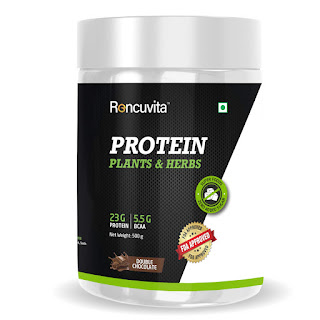
Best Protein Powder in India


A blog article about Whey Protein in India. An overview of the most common whey protein available in India, the pros and cons of each, the good quality and speed of Whey Protein in India.

protein powder


Benefits of Whey Protein

Whey protein is a very beneficial supplement for people who want to increase their muscle mass and reduce their weight. The proteins found in whey have been shown to be beneficial for people of all ages, including children and pregnant women. Whey protein has a balance of all the amino acids that our body needs to function properly, which reduces the risk of developing deficiencies of any specific amino acids.

Types of Whey Protein

Proteins powders mostly come in two forms: Whey and casein. Whey proteins are dairy products, while casein comes from the curdling of milk. Casein is also a byproduct of cheese production and is used as a binder in commercial food preparations. Casein, however, is processed differently from whey and is also different from soy protein. Whey is the purest form of a protein found in dairy and typically contains more than 80% of the protein content of milk. Casein, on the other hand, is a byproduct found in cheese making.

Casein is more difficult to digest than whey because it contains a mixture of the A, B, and C chains of amino acids. As a result, even though casein is found in dairy products, it does not have the same benefits as whey. Whey contains more than 80% of the protein in milk and, in fact, is a complete protein with all the essential amino acids.

What are the ingredients in best protein powder?

So far, there are over 100 protein powders available in the market. The best protein powder in India is made up of dairy products that are both natural and organic. It also includes herbs, vegetables, etc. that are sourced from the country's own farms. How much is the best protein powder? The price of a good protein powder depends upon the amount of the cost you want to invest in the product. The best protein powder in India is not expensive considering the amount of health benefits it offers.

Don’t miss out on these benefits

There are so many benefits associated with protein powder in India. This includes helping you to achieve your weight loss goals, muscle building, increased energy levels, increased immunity, improved workouts and more. If you are looking for the best protein powder in India then you should consider one that is vegetarian-friendly.

What are Gainer Supplements?

Gainer Supplements are small, inexpensive packets of protein powder that can be mixed with water and other nutrients. Gainer supplements contain proteins such as whey, casein or soy. They also can be found in other forms such as bars, drinks and powders. Supplements like these usually contain a lot of calories but low carbs and proteins which helps people to gain weight in a healthy way.


Monday, 1 November 2021

Best Omega 3 Capsules in India

 Omega 3 is an essential fatty acid that your body needs for many purposes. It's important for pregnant women to get enough omega-3 because it helps the brain and eyes develop in their baby. Read this article to find out how much omega-3 you should take during pregnancy, as well as the best brands of omega 3 capsules available in India.

omega 3


What is Omega 3?

Omega-3 fatty acids are important for good health. They have been shown to reduce the risk of heart disease, stroke, depression, and ADHD while improving memory and learning ability. Omega 3 is a crucial part of a healthy diet. They can be found in fish, walnuts, soybeans, flaxseeds, leafy greens, and pumpkin seeds. I like how the staff and company work. I like the prices and that life is considered a lifestyle and not just a diet or for a quick fix. The company is great and I recommend to everyone I know.

Benefits of Omega 3

Omega 3 capsules are a popular supplement taken by people who want to improve their cardiovascular health. Omega 3 capsules can help lower triglycerides, blood pressure, and cholesterol. These fish-based supplements are also known to cure inflammation in the body. How do you take Omega 3? Fish oil capsules come in a variety of forms: soft gel capsules, liquid and pill forms. The EPA and DHA in fish oil can be digested through the intestine.

For the most part, they are not toxic to the body when they are taken as liquid. Liquid fish oil capsules are better for supplementing liquid omega 3 than soft gel capsules. The liquid form can also be added to some foods. However, the soft gel capsules are better to take as a daily supplement.

Why you need to take Omega 3 during pregnancy

Omega 3 is an essential fatty acid, which means your body needs it but can't make it. Essential fatty acids play a crucial role in the development of the brain and retina. They also help to maintain normal skin and nerve function, along with normal growth and development. Omega 3 supplements are safe for pregnant women as they're highly unlikely to cause any side effects.

Which are the best brands of Omega 3 capsules in India?

The best Omega 3 capsules in India are available from both local brands and international brands. However, the international brands will be more expensive because of the transportation costs and import duty. It's worth considering buying internationally if you can afford it.

How much Omega 3 should I take during pregnancy?

Omega 3 is a fatty acid that can be found in fish oils. It has been shown to help with conditions of the brain and heart. When pregnant, it is important to take enough Omega 3 so that the baby's developing nervous system can grow properly. The amount of Omega 3 needed is 300mg/day total, and about 200mg/day of DHA alone.

How much Omega 3 for kids?

Omega 3 capsules are used to treat various medical maladies. They are often used in conjunction with other treatments or medications. The most common use of Omega 3 capsules is to lower triglyceride levels in the blood, which helps prevent heart disease.

Conclusion

There are many benefits of Omega 3 Capsules. They are an effective way to get the necessary fatty acids into your diet. Fish oil capsules also have life-saving effects for people with high cholesterol or triglycerides.

Tuesday, 26 October 2021

How Much Omega 3 in Flaxseed

 Flaxseeds are high in omega 3 fatty acid, which is good for your heart, but the amount of omega 6 fatty acids (found in most vegetable oils) can actually cause inflammation. So, if you're using flaxseeds for cooking or baking, make sure to reduce the amount of vegetable oil in order to keep a healthy ratio.

Omega 3


What is Omega 3?

Omega 3 is a type of fatty acid that is found in the cell membranes of the body. The omega 3 fatty acids found in food are called long-chain polyunsaturated fatty acids (LCPUFA). These fatty acids are essential nutrients because they cannot be synthesized by the human body and must be eaten. Flaxseeds are an ideal place to get these nutrients because they contain high amounts of omega 3, which can be consumed through ground seeds or oil.

What it does in your body

Flaxseed is an excellent source of omega 3 fatty acids, which are essential nutrients that support healthy cell growth. Omega 3 also supports heart health, cognitive function, immune system function, and inflammation. How it helps your heart. A number of studies have shown that flaxseed can reduce inflammation in the body, which potentially leads to improved blood flow and reduced heart disease risk. How it helps your brain. Flaxseed contains lignans, which have been shown to protect neurons in the brain. How it helps your belly. Flaxseed has been shown to help reduce the risk of heart disease and diabetes.

How Much of Omega 3 is in Flaxseed?

Omega-3s are a fat that is found in the cells of our body, along with omega-6 and omega-9. When we consume food that contains omega-3s, it is then provided to our body's cells for use as needed. Omega-3s can be found in certain types of seafood as well as plant sources such as flaxseed. While flaxseed is a great source of omega-3, the amount that one can find in each portion of flaxseed is small as compared to other fish (such as salmon, mackerel, tuna, and halibut).

Benefits of Omega 3 Fish Oil

Omega-3 fish oil is a loaded nutrient that some experts credit with providing protection from heart disease, cancer, and other diseases. It also helps keep the body healthy by reducing inflammation. Researchers have found that supplements of omega-3 fatty acids can help prevent or stop blood clotting, reduce the risk of strokes and heart attacks, slow the progression of macular degeneration, and even help control the symptoms of autoimmune disorders such as arthritis.

When Should You Take Omega 3?

Omega 3 is a healthy supplement, but when it comes to taking supplements, you need to consider your lifestyle and the amount of omega-3 you already consume in your diet. If a person's intake of omega 3 is high, then they don't need to take more.

Conclusion

Flaxseed is a great source of omega 3 fats and is a versatile plant that can be used in a wide variety of ways. It is an excellent addition to a diet that is high in protein and low in saturated fat because it contains omega 3 fatty acids, which have been shown to help reduce the risk of heart disease.

Monday, 25 October 2021

How to Consume Protein Powder

 Protein is a topic of great interest for many people, and a common area of confusion is the difference between whey protein and plant protein. In this article, we'll take a look at how to consume your intake of proteins in a more efficient manner. The Difference between Whey Protein and Plant Protein.

There are two types of protein commonly consumed in the human diet: animal based proteins and plant based proteins. Animal based proteins are derived from animals, primarily meats and milk products. Plant based proteins are sourced from plants, primarily fruits and vegetables. Whey protein is a by-product of the cheese industry. When milk is heated to around 80 degrees Celsius (176 F) in order to separate the water from the curds, whey proteins are left behind. Whey proteins are a good source of protein because they contain all of the essential amino acids. Whey protein is also a rich source of B vitamins, minerals and fatty acids.

protein powder


Protein Powder

Protein powder is a well-known means of increasing the daily intake of protein. The body needs approximately 10 grams of protein per day to maintain muscle mass. In order to consume enough protein, one must find a way to incorporate high-protein foods into their diet.

Whey Protein

Whey protein powder is a popular protein supplement, but it can be tough to consume enough. Here are some easy ways to get the protein your body needs without relying on supplements or shakes.

The best protein powder is full of the protein your body needs for recovery and growth, all without the extra carbs or fat commonly found in other protein powders. This one is the best of the best. I received these 3 boxes for free for my honest review and it is my first impression. I personally have never tried this brand before, but I'm excited to try them out!

What Are the Benefits of Whey Protein?

Protein powder can be consumed in many ways, not just by drinking it. For example, you could add it to your oatmeal and eat it as a dessert. Protein powder is a huge part of athletes’ diets because it helps build muscles while also making sure that the body has the nutrients that it needs to continue functioning.

What Should I Consider Before Consuming a Protein Powder?

No matter what kind of protein powder you are considering, there are a few things to consider before you buy. First, consider the ingredients. Some only have whey proteins while others have all-natural sources that can build muscles, maintain wellness, and help with weight loss. Next, think about the price. The cheaper the price point of the product, the more likely you are to have to switch out your supplements every so often because of the cost for high-quality ingredients.

The Unhealthy Side of Whey Protein

Whey protein is an effective way to increase your protein intake, but some people may not see the benefits of it. There are some whey protein side effects that you should know about before starting on this supplement. One of the first things you might notice is weight gain. This weight gain is usually caused by water retention and can make you look bloated and tired even if your diet is otherwise healthy.

Conclusion

There are a variety of protein powder supplements in the market. Some of them have a lot in common with the product, while others have something different that makes it stand out from the rest.

Friday, 22 October 2021

When Should Omega-3 Be Taken?

 Breakfast has long been the popular time for taking medications, food supplements, and cod liver oil. And the scientific discipline is smart. At the beginning of every day, several folks prefer to make the most of our revived energy to concentrate on our health.

The new analysis, however, has started linking medication efficaciousness to temporal order and findings create a compelling case for rescheduling our supplement routines too.

Fish oil is one of the foremost common omega-3 fatty acid supplements. And technically, you'll have it no matter what time works best for you as long as you are taking it with a meal. The omega-3s EPA and DHA found in animal oil are fats and are absorbed far better if there are different fats on board. If you are taking them on an associate degree empty abdomen, they most likely won’t be absorbed as an addition.

If you are experiencing reflux along with your fish oil (otherwise referred to as questionable burps), then some consultants suggest dividing up your dose throughout the day and avoiding heavier doses within the evening. This can be as a result of Fish oil tending to rise to the highest of abdomen fluids, which might cause symptoms for a few. For others, night-time may be a perfect time to require your omega-3s, particularly if they're combined with different nutrients that support sleep.

omega 3 fatty acids


Why Should You Reconsider Taking Your Medicines And Supplements at Night?

Several studies have currently shown that aspirin and cholesterol-lowering medication, in addition to BP and anti-reflux medications, may go higher within the evening. Scientists recommend that as we tend to sleep, our body’s biological time influences our secretion balance, in addition, because of the body’s ability to soak up chemicals in medications and supplements.

Because several symptoms associated with acid reflux and heart disease worsen over the course of the night, taking bound medications and supplements before the hour may very well facilitate boosting health conditions the subsequent day.

Let’s inspect the instance of taking anti-reflux medication. The abdomen usually produces 2 to 3 times additional acid between 10:00 pm and 2:00 am than any other time of the day. Additionally, heartburn usually worsens when lying down, which intensifies uncomfortable side effects.

It has conjointly been well-documented that heart attacks and strokes occur additional usually within the early morning. This development might make a case for why a five-year study from Spain found that patients who took their medicines at midnight had a thirty-third reduced risk of attack and strokes, compared to people who took their medications within the morning.

How Does a Low-Fat Meal Affect the Absorption of Omega-3 Fatty Acids?

For decades, several omega-3 fatty acid users have conjointly opted to require their supplements very first thing within the morning. However, researchers entail that omega-3 fatty acids got to be consumed with food of the high-fat selection to be absorbed well.

Today, scientists suspect that the trend towards low-fat breakfasts, and skipping breakfast entirely, might make a case for why some supplement users don’t see a sizable increase in their omega-3 fatty acid index levels. If you don’t eat breakfast, or usually eat low-fat foods within the morning, then aim to require your daily omega-3 fatty acid dose later within the day with a fuller meal.

Why Taking Omega 3 at Night is Beneficial?

Potential advantages of Taking fish oil at midnight;

If you've got the inflammatory disease and joint pain you probably expertise additional intense symptoms within the morning. One French study discovered that NSAIDs (no steroidal medicament drugs) were only once consumed four to eight hours before peak pain started.

Since omega 3 fatty acids work the same as NSAIDs, taking your animal oil supplement within the evening might create it easier to induce you out of bed within the morning with comfort.

In a pilot study from the United Kingdom, researchers found that youngsters who supplemented with omega-3s increased sleep time by fifty-eight minutes whereas reducing the number of wakeups throughout the night. Different studies equally show that adequate omega-3 fatty acid intake is very important for quality rest, improved relaxation, and reduce risk of sleep disorder.

Plasma concentrations of the omega-3 fatty acid, carboxylic acid DHA were associated with sleep temporal order and period in adolescents. Employing a set of the continued part cohort study, the sample enclosed 405 adolescents in the Mexican capital, ages 9-17, which had autography-assessed sleep in addition to plasma measures of long-chain fatty acids.

Thursday, 21 October 2021

Whey Protein Powder- How to use?


Whey protein is a product that has become popular in recent times because of its quality and effectiveness. There are three main types that are made from whey, including plant proteins. Plant proteins, however, can be just as effective and some even better than whey protein since they don't have the same issues with lactose intolerance and allergic reactions. Learn more about what these products can do for you while also learning about their differences.

protein powder


What Does Whey Protein Do?

Whey protein is a best-selling supplement that has been made available to people by the food industry. The protein powder is one of the most popular supplements because it can be mixed with water or milk. There are many benefits of whey protein, including promoting muscle building, improving physical performance, and making some people feel fuller.

Benefits of Whey Protein Powder

Whey protein powder is a high quality protein for muscle building and recovery. It also has many other benefits such as helping control blood sugar levels, promote healthy cholesterol levels, and help build lean muscle mass. Protein powders come in different flavors and colors to make it easy to find the one you like most.

Types of Whey Protein Powders

Whey protein powder is a supplement that has been given a lot of attention recently due to its benefits. It is a mixture of casein and whey protein that offers a wide range of health benefits. Whey protein is obtained from cow's milk, which is what you get when the protein from cow's milk is separated from the fat and lactose.

Ingredients in a Whey Protein Powder

The main ingredients in a Whey Protein Powder are whey and water. This is because substituting either one of these ingredients can result in an inferior product. The quality of the powder is determined by the quality of these two ingredients, and it is absolutely essential that they be sourced from high-quality materials.

How to Use a Whey Protein Powder

Whey protein powder is a mixture that mixes the whey with water or milk to be used as a drink or dessert. The whey protein powder has several benefits, including giving you an extra boost of vital nutrients, aiding in muscle building, improving digestion, and supporting brain health.

How to Use a Plant Based Protein Powder

Plant based proteins are a great option for those who do not eat meat and want to add extra plants and vegetables into their diet. Plant based proteins like vegan, soy or hemp can be used in many different ways including in smoothies, mixed with oatmeal or pancakes, made into homemade granola bars, and even stirred into your coffee.

Pro and Con of Using a Plant Based Powder

When it comes to choosing whey protein powders you have to take into account both pros and cons of each option. To start with, I would recommend getting a plant based protein powder over whey. Whey is processed milk which can lead to unwanted digestive problems for some people. Plant-based protein powders are dairy free, soy free, gluten free, non-GMO and vegan friendly.

Conclusion

In this blog, I have tried to explain how whey protein powder can be used as a dietary supplement for weight loss. This is just the tip of the iceberg, but I hope that this article helps you on your fitness journey.


How Does Omega-3 Help Your Brain?

With all the different benefits of fish, it can be hard to know which type of fish you should eat. Omega-3 is a type of fatty acid that can help your brain function - it can reduce your risk of Alzheimer's disease and other cognitive disorders. In this short article, you'll learn what omega 3 is, why it's important for brain health, and how to get these benefits from supplements or from eating fish!

Omega-3 fatty acids are a type of polyunsaturated fat that is found in cold water fish. They are also present in oils derived from these fish, as well as nuts and seeds. Omega-3 fatty acids have been shown to help improve mood, cognition, memory, brain function and visual acuity. These review summaries the findings of recent clinical trials that evaluated the effects of omega-3 fatty acids on cognitive performance in older adults. The evidence that was found is helpful in guiding future research in this area.

omega 3


Omega 3

Omega 3s helps the brain form and maintains neurons, which is needed for healthy learning and memory. Omega 3s also promotes brain health by providing additional protection from inflammation in the brain.”

Two new studies examined the effects of taking fish oil (oddly, this intervention seemed to help people with low omega-3 levels Omega-3 is an essential fatty acid that can help reduce inflammation and protect brain cells from damage. It also helps to improve the function of white blood cells, which are cells that fight infection and disease. Omega-3 is a type of fatty acid, which is found in all living cells. It helps to reduce the risk of heart disease, stroke, cancer, arthritis and age-related mental decline. Omega-3 also helps with brain functioning by protecting against structural damage including Alzheimer's.

Benefits of Omega 3

Omega 3 is the essential fatty acids that are found in seafood, algae, and marine plants. Omega 3 has been researched to improve cognition, mood, and general brain function. Benefits of CBD Oil. CBD oil is a natural compound extracted from the cannabis plant. It has been proven to treat anxiety and depression, as well as inflammation, pain and even certain skin conditions. It also contains antioxidants and anti-cancer properties. Benefits of CBD Oil. CBD oil is a natural compound extracted from the cannabis plant. It has been proven to treat anxiety and depression, as well as inflammation, pain and even certain skin conditions. It also contains antioxidants and anti-cancer properties.

Dosage of Omega 3

Omega-3 is found in certain fish, like salmon and tuna. Omega-3 fatty acids are good for brain health because they can help keep your mood positive. They also help reduce inflammation, which helps with conditions like Alzheimer’s disease. The recommended daily dosage for most people is 500 milligrams a day, but you can take more if you need to. If you are taking fish oil supplements, you might want to talk to your doctor about the dosage that’s best for you. You can also get Omega-3s in supplement form, but these products tend to be more expensive.

Side Effects

Some side effects of Omega-3 supplementation are poor concentration, lethargy, or depression. Medications. Some drugs can disrupt the absorption of omega 3 fatty acids including anti-epileptics, antidepressants, beta-blockers, antihistamines, and calcium channel blockers. High levels of omega 3 fatty acids also increase the metabolism of many drugs including steroids, aspirin, and heart medications.

Hormones. Many medications use hormones that can be affected by elevated EPA or DHA levels including birth control pills, ant anxiety medications, birth control pills, and estrogen replacement therapy for menopause. Foods. Seafood and shellfish can contain high levels of DHA and EPA. High levels of these fatty acids can also be found in some plants including flax seeds, soybeans, walnuts, and canola oil.

Conclusion

The benefits of omega-3 are many. These include lowering the risk of heart disease, reducing inflammation, and improving your mood. Omega-3 also decreases your risk for Alzheimer's disease, dementia, and depression.